
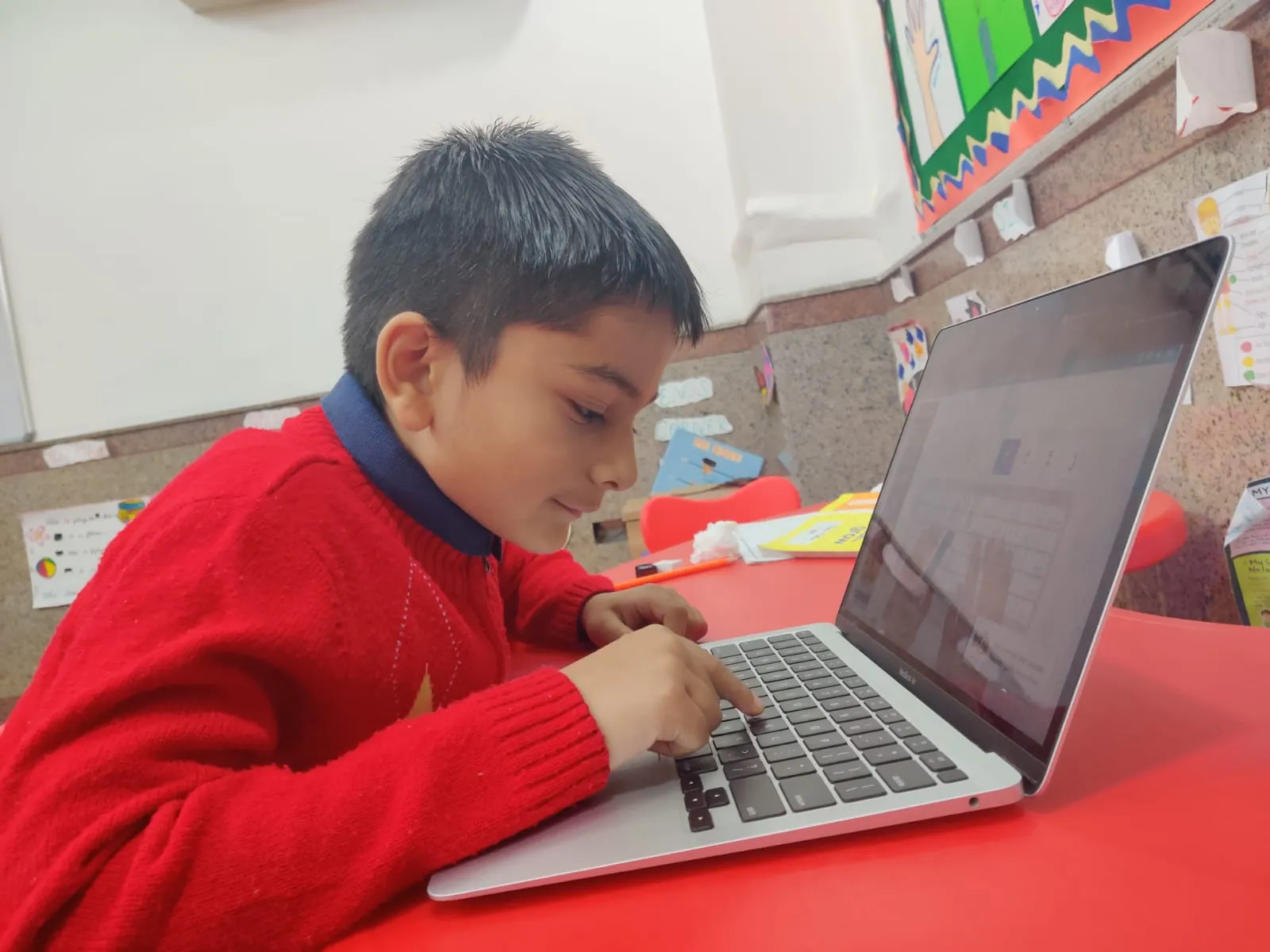
Our Occupational Therapy and Sensory Intervention program supports children who experience sensory processing challenges or need strategies to strengthen their motor and daily functional skills. The focus is to help each child engage more comfortably and effectively in learning and everyday routines.
Intervention includes: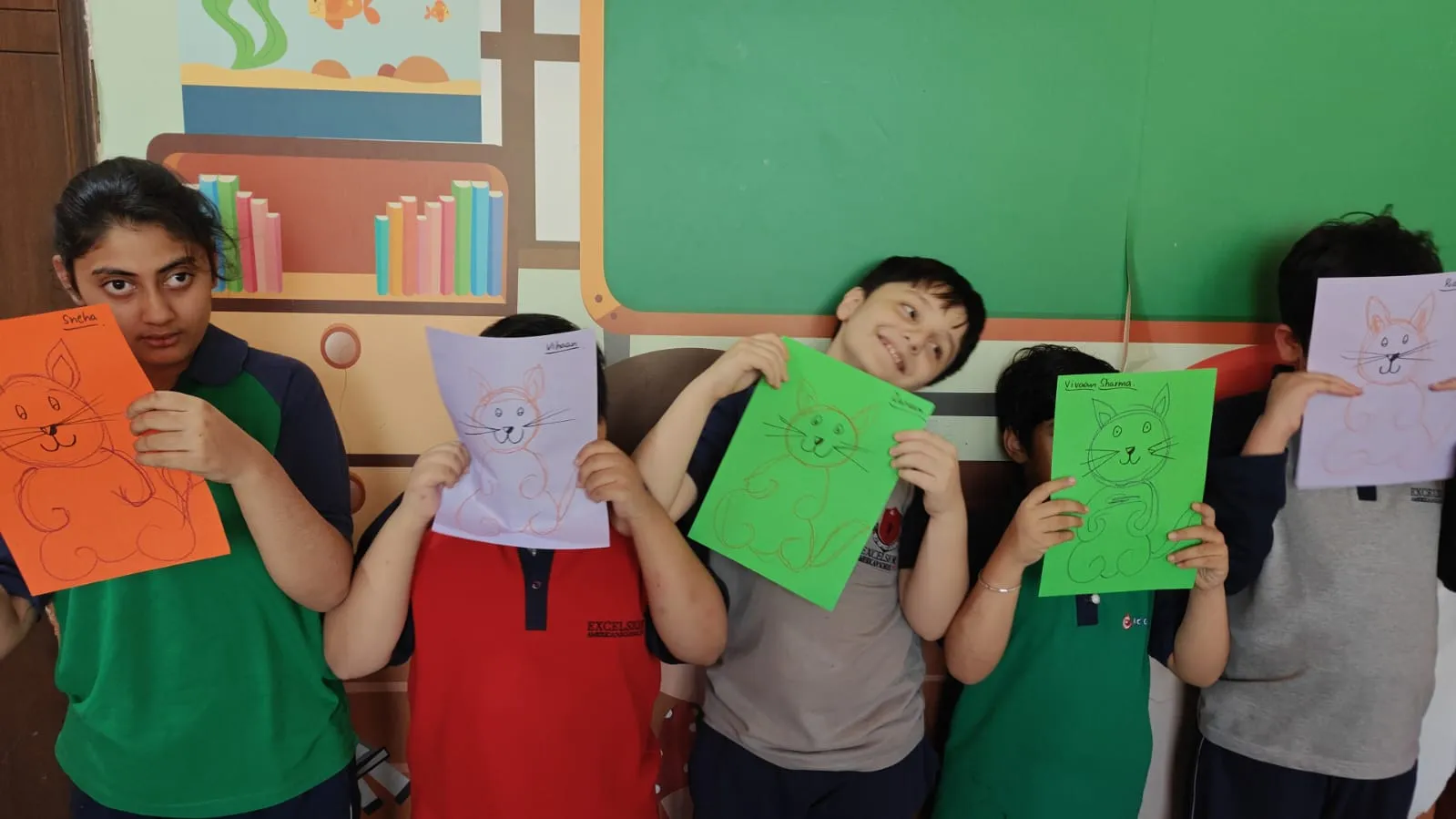
Our behavior modification program gently guides children toward positive, meaningful behavior patterns. By understanding the child's emotional and developmental needs first, we help replace challenging behaviors with healthier, functional alternatives, always prioritizing dignity, trust, and emotional safety.
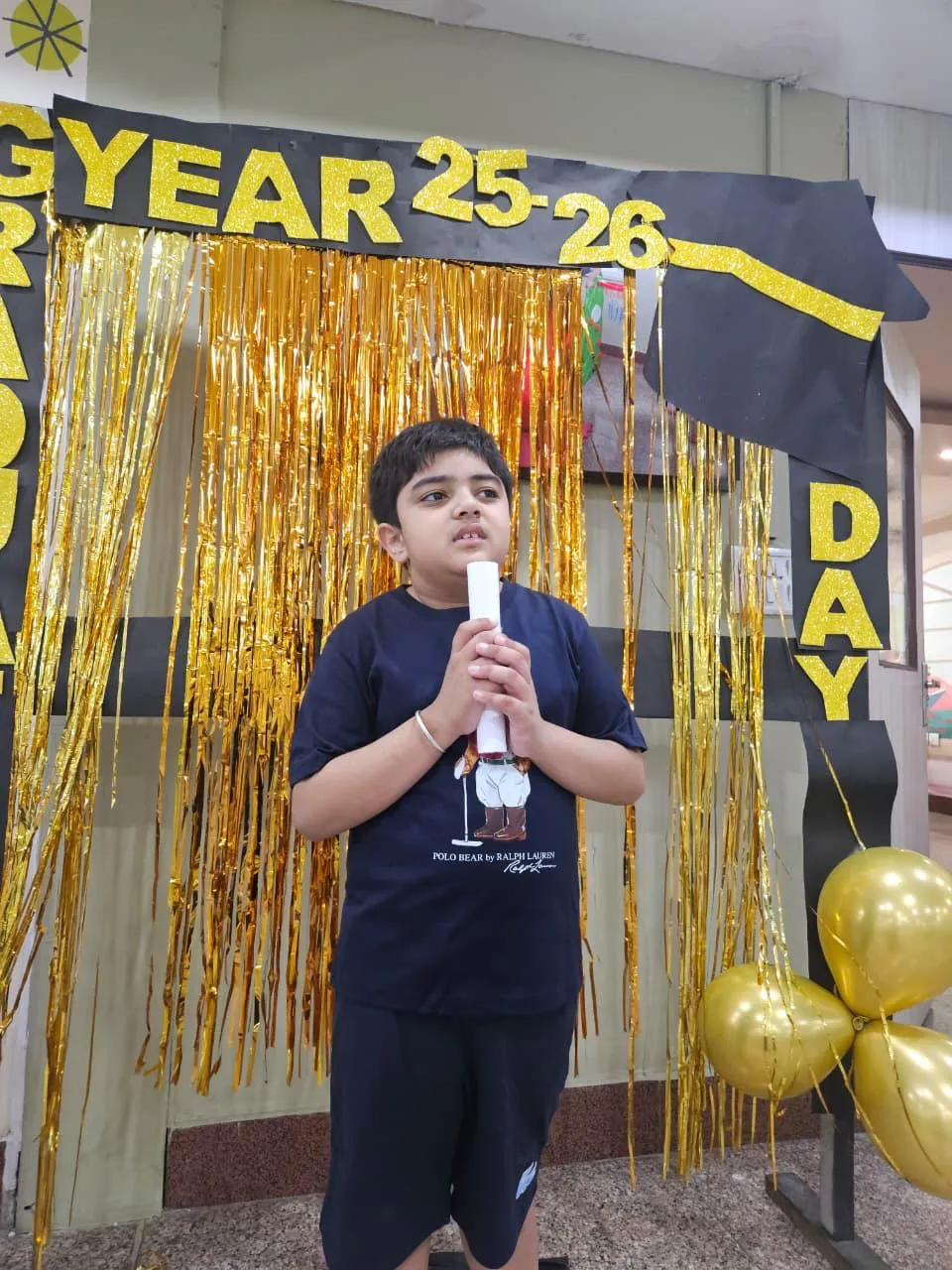
Our Speech and Language Therapy program is thoughtfully designed to meet each child's unique communication needs. Whether the goal is to develop speech sounds, improve language skills, or build alternative ways to communicate, we ensure every child feels supported and understood.
The program incorporates tools such as the Picture Exchange Communication System (PECS) and Augmentative and Alternative Communication (AAC) to help children express themselves effectively. Through individualized and small-group sessions, children learn to:
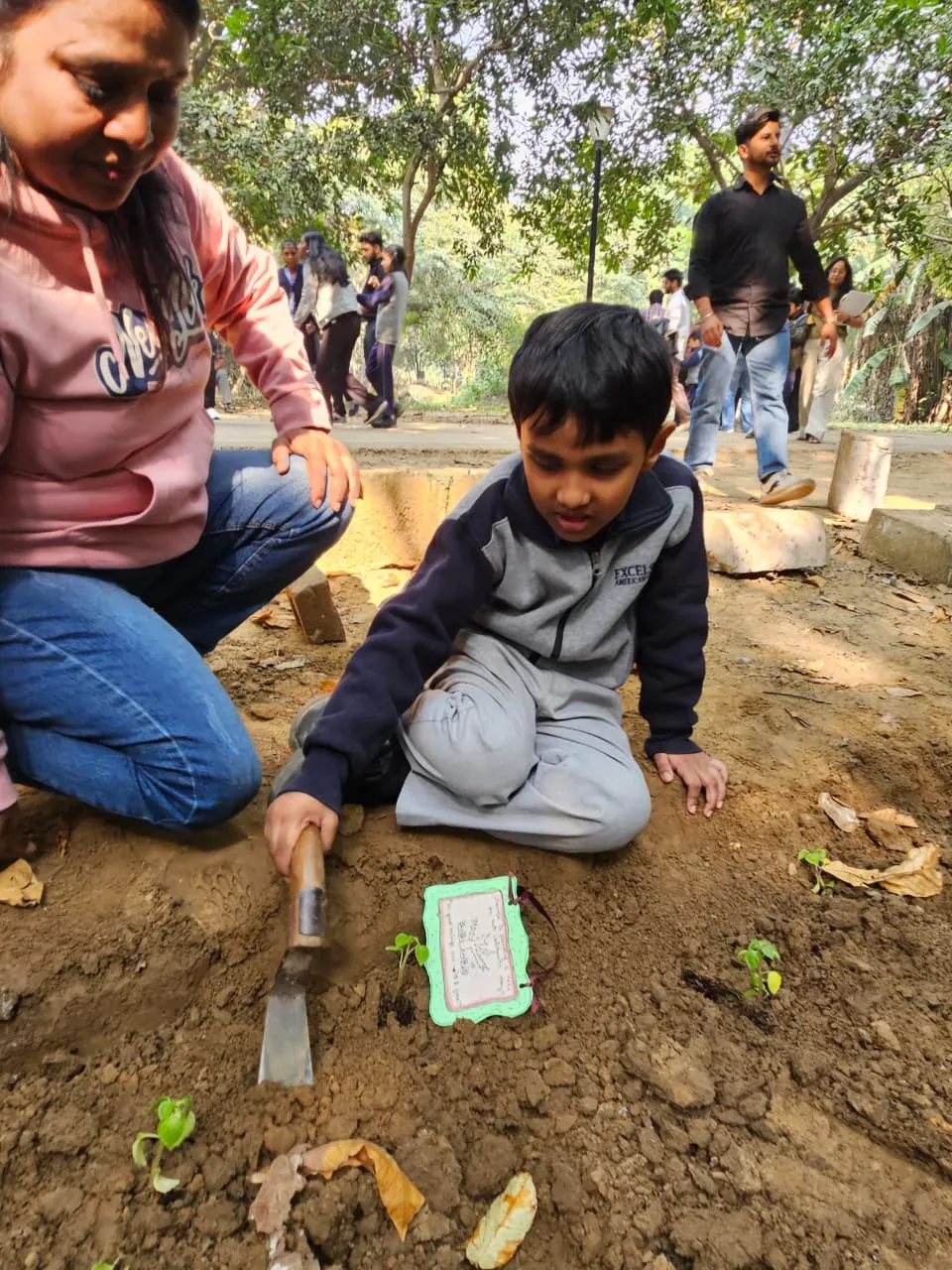
Building independence in everyday routines is one of the most empowering gifts we can offer a child. Our ADL program focuses on practical life skills that help children become more confident, self-reliant, and comfortable in their day-to-day activities. Through guided, hands-on experiences, children develop perceptual, appreciative, and creative skills that support lifelong independence.

Toilet training is introduced with patience, consistency, and deep sensitivity to each child's developmental readiness. We use a structured, child-friendly approach that supports:
Families are supported with strategies to maintain consistency at home, ensuring a smooth and positive transition for the child.
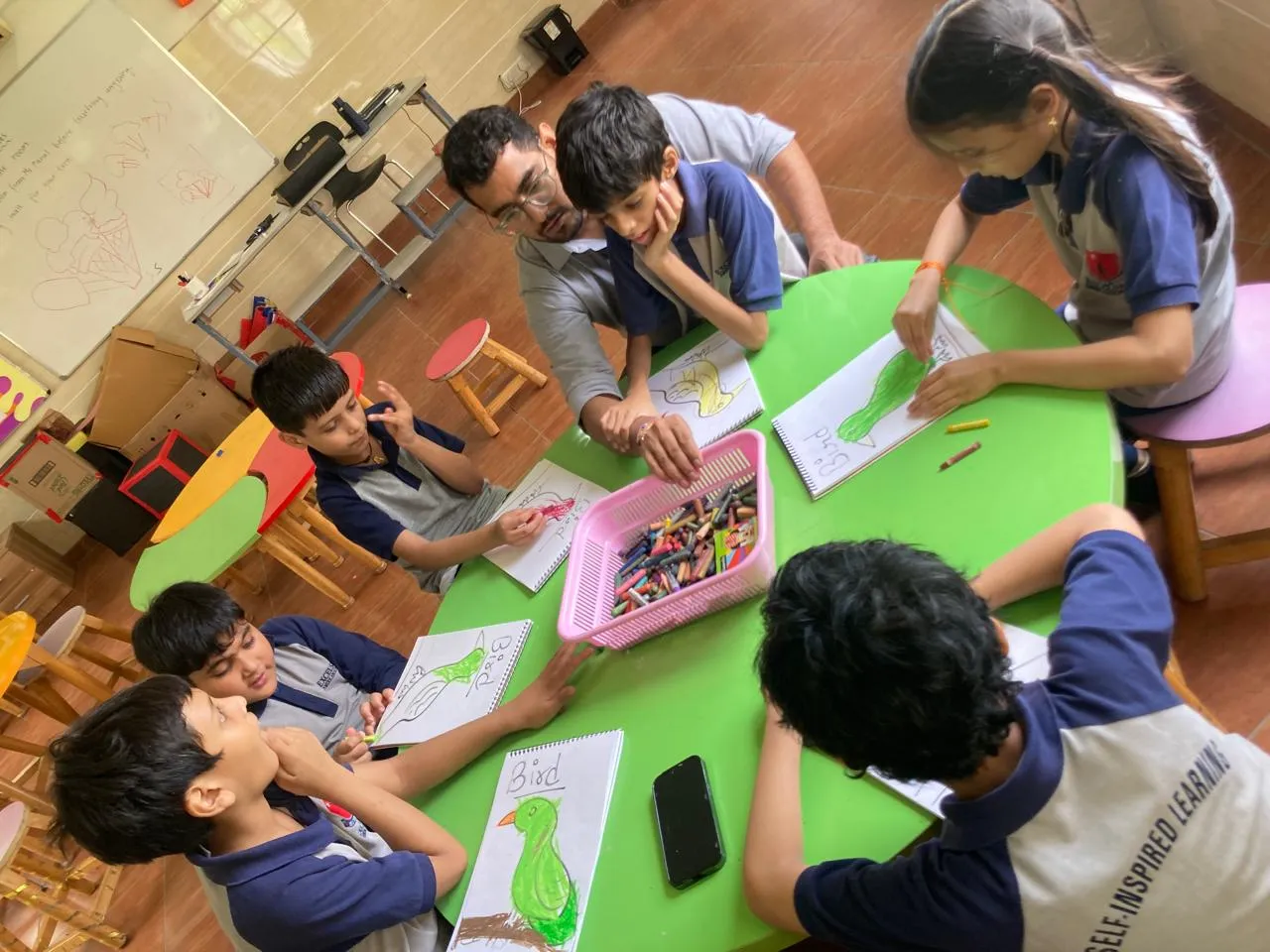
Art Therapy provides a gentle and expressive outlet that helps children process emotions, build self-awareness, and develop emotional regulation. Through creative exploration, children can transform negative associations into positive experiences. This therapy supports children with physical, emotional, mental, or behavioral challenges, helping them grow in a safe, acceptable space.
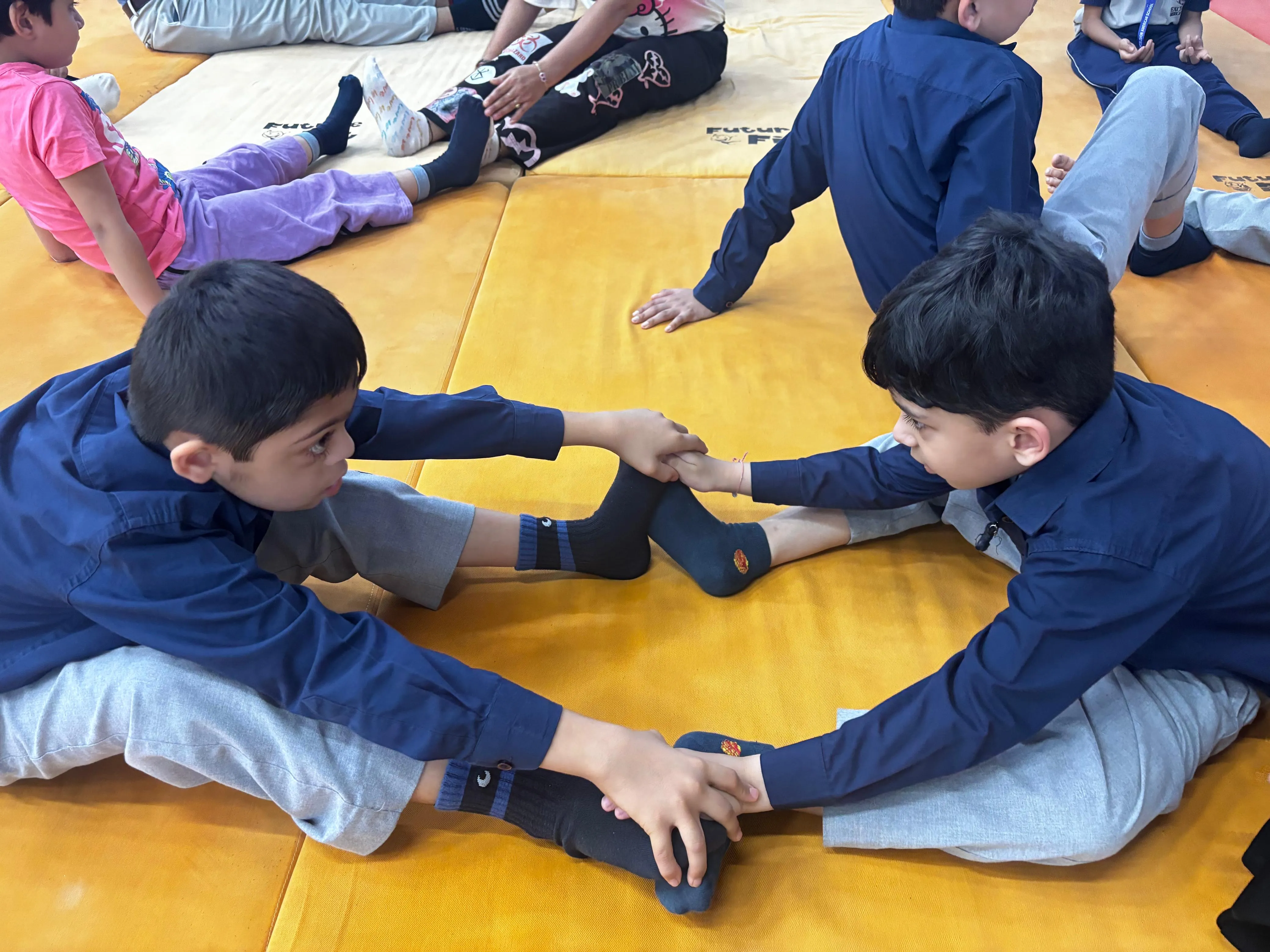
Play Therapy uses the child's natural form of expression—play—to help them understand their emotions, improve social interactions, and build confidence. Through guided and free-play experiences, children learn problem-solving, emotional expression, coping strategies, and self-regulation, all within a warm and comforting therapeutic environment.