Introduction:
Education today is undergoing a fundamental transformation. No longer is success measured only by academic scores or exam performance. At Excelsior American, the Best IB School in Gurgaon where in a rapidly evolving world shaped by globalization, technology, and social change, students must develop a wide range of skills and values to thrive. This shift has placed holistic development at the center of modern education models.
Institutions aligned with the philosophy of the IB School recognize that nurturing well-rounded individuals is essential. By focusing on intellectual, emotional, social, physical, and ethical growth, holistic education prepares students not just for academic milestones, but for life itself.
About Us:
Excelsior American School is committed to holistic development — nurturing every aspect of a child’s growth: academic, emotional, social, physical, and ethical. We believe that education should shape well-rounded individuals who are confident, compassionate, creative, and resilient. Our integrated curriculum emphasizes cognitive skills alongside emotional intelligence, character education, and real-life experiences.
We offer a wide range of extracurricular activities that support whole-child development, including performing arts, sports leagues, environmental clubs, mindfulness workshops, and service-learning initiatives. Signature events like Wellness Week, Arts Festival, Sports Carnival, and Leadership Camps provide students with opportunities to build teamwork, self-expression, and life skills beyond the classroom.
At Excelsior American School, students are encouraged to explore interests, celebrate strengths, and embrace challenges. We cultivate an inspiring learning environment where every learner thrives academically and personally — ready to contribute meaningfully to their communities and the world.
Understanding Holistic Development in Education
Holistic development refers to an approach that educates the whole child, addressing multiple dimensions of growth rather than focusing solely on academics. These dimensions include:
- Cognitive and intellectual development
- Emotional well-being
- Social and interpersonal skills
- Physical health and fitness
- Moral values and ethical awareness
- Creativity and self-expression
Modern education models integrate these elements to create learners who are confident, adaptable, and capable of navigating complex real-world challenges.
Why Traditional Academic-Only Models Are No Longer Enough
For decades, education systems emphasized rote learning, standardized testing, and academic ranking. While subject knowledge remains important, such narrow models often result in:
- High stress and burnout
- Limited creativity
- Poor emotional regulation
- Weak problem-solving and communication skills
In contrast, holistic education recognizes that academic excellence is most meaningful when supported by emotional intelligence, resilience, and critical thinking.
The Core Pillars of Holistic Education
Modern holistic education models are built on several interconnected pillars that together support comprehensive student growth.
1. Intellectual Growth Beyond Memorization
Holistic education prioritizes understanding over memorization. Students are encouraged to:
- Ask questions
- Explore concepts deeply
- Apply knowledge across contexts
This inquiry-based approach strengthens critical and analytical thinking, essential skills in higher education and professional environments.
2. Emotional Intelligence and Well-Being
Emotional development is a cornerstone of holistic education. Students learn to:
- Understand and manage emotions
- Build empathy and self-awareness
- Handle challenges with resilience
By creating emotionally supportive learning environments, schools help students develop confidence and a positive attitude toward learning.
3. Social Skills and Collaboration
Modern education recognizes that success is rarely achieved in isolation. Holistic models emphasize:
- Teamwork and collaboration
- Respectful communication
- Conflict resolution
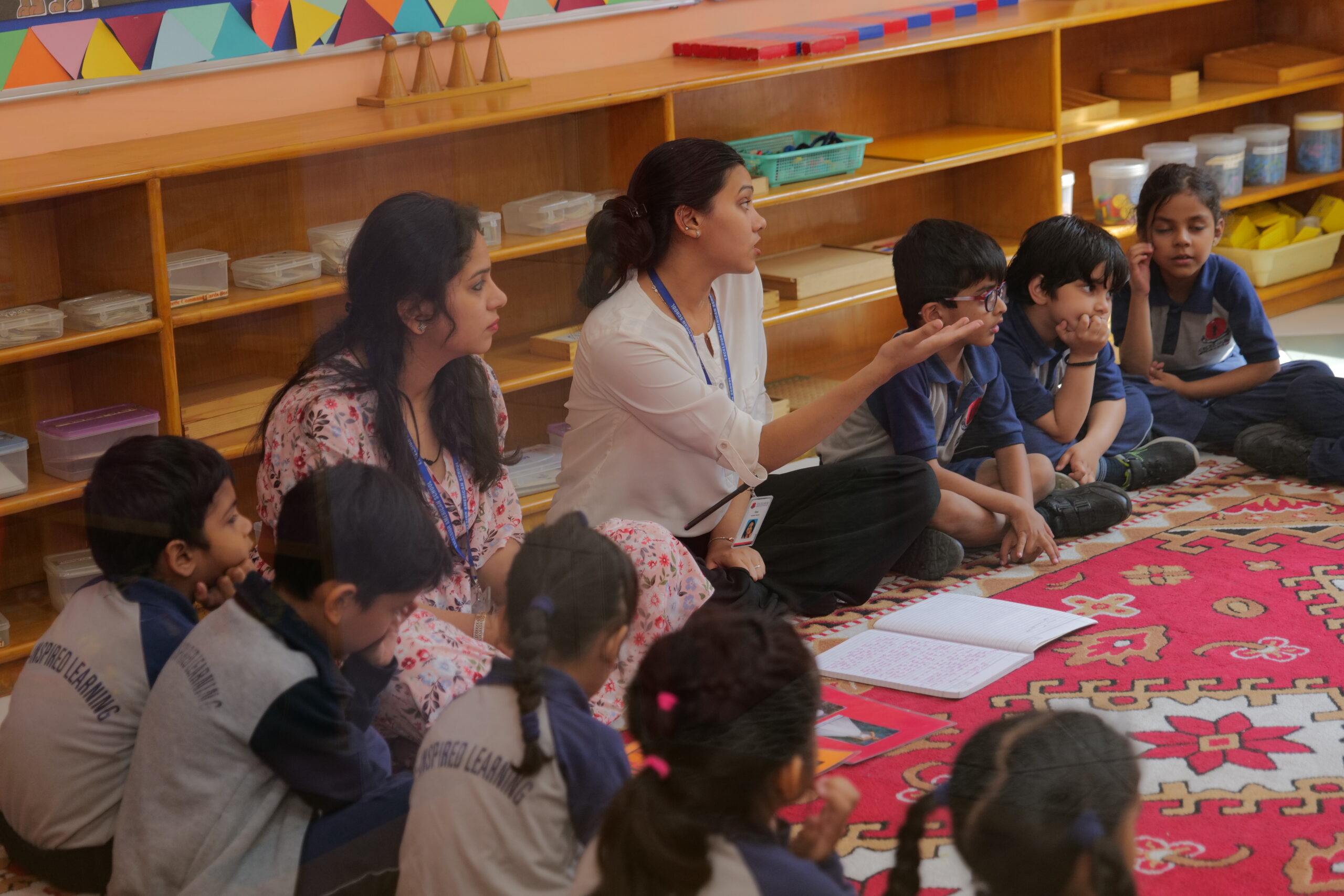
Group projects, discussions, and peer learning help students build strong interpersonal skills that are vital in global and multicultural settings.
Physical Development and Healthy Lifestyles
Physical well-being plays a crucial role in overall development. Holistic education integrates:
- Sports and physical activities
- Movement-based learning
- Awareness of health and nutrition
Regular physical engagement improves concentration, reduces stress, and promotes discipline—benefits that directly support academic performance.
Creativity as a Core Educational Value
Creativity is no longer limited to art classes. Holistic education treats creativity as a life skill, encouraging students to:
- Think innovatively
- Explore multiple solutions
- Express ideas confidently
Creative subjects and activities help learners develop flexibility in thinking, which is essential for adapting to future challenges.
Moral and Ethical Development in Modern Education
Education is also about shaping character. Holistic models focus on values such as:
- Integrity and responsibility
- Respect for diversity
- Social and global awareness
By integrating ethical discussions and community engagement, students develop a strong moral compass and a sense of purpose.
The Role of Curriculum Design in Holistic Growth
A well-structured curriculum plays a central role in supporting holistic development. Balanced subject frameworks ensure that students engage with:
- Sciences and mathematics for logical reasoning
- Languages for communication and expression
- Humanities for contextual understanding
- Creative and physical subjects for innovation and well-being
This balance is a defining feature of education systems associated with the IB School.
Assessment Beyond Exams
Holistic education requires assessment methods that reflect diverse forms of learning. Instead of relying solely on written tests, modern models include:
- Projects and presentations
- Research-based assignments
- Practical applications
- Reflective evaluations
These methods recognize individual strengths and provide a more comprehensive view of student progress.
Student Voice and Choice in Learning
A key aspect of holistic development is giving students a voice in their learning journey. When learners are allowed to:
- Choose topics of interest
- Participate in decision-making
- Reflect on their progress
They develop independence, accountability, and intrinsic motivation—qualities essential for lifelong learning.
The Teacher’s Role in Holistic Education
In modern education models, teachers are facilitators, mentors, and role models. They support holistic development by:
- Creating inclusive and engaging classrooms
- Encouraging curiosity and dialogue
- Adapting teaching strategies to individual needs
This nurturing approach helps students feel valued and understood, strengthening both academic and personal growth.
Technology as a Supportive Tool for Holistic Learning
When used thoughtfully, technology enhances holistic education by enabling:
- Personalized learning pathways
- Collaborative digital projects
- Access to global perspectives
Technology supports creativity, research, and communication while helping students develop digital literacy—an essential modern skill.
Preparing Students for a Global Future
Holistic development equips students with the adaptability needed in a globalized world. Learners develop:
- Cross-cultural understanding
- Open-mindedness
- Confidence in diverse environments
These attributes align closely with the global outlook promoted by Cambridge-aligned education systems and valued by families seeking the IB School.
The Connection Between Holistic Development and Leadership
Holistic education naturally nurtures leadership qualities. Students learn to:
- Take initiative
- Collaborate effectively
- Make ethical decisions
Leadership here is not about authority, but about responsibility, empathy, and influence—skills developed through balanced and values-driven education.
Parental Perspective: Why Holistic Education Matters
Parents increasingly recognize that future success depends on more than grades. Holistic education offers:
- Reduced academic pressure
- Strong emotional support
- Well-rounded personality development
- Better preparedness for higher education and careers
This comprehensive approach reassures families that their children are growing in all dimensions.
Measuring Success in Holistic Education Models
In holistic systems, success is reflected not only in academic results but also in:
- Confidence and self-esteem
- Problem-solving ability
- Communication skills
- Emotional resilience
- Ethical awareness
These outcomes define meaningful education in the modern era.
Why Holistic Development Is Essential in the 21st Century
The demands of the 21st century require individuals who can think critically, collaborate effectively, and adapt continuously. Holistic development addresses these needs by:
- Encouraging lifelong learning
- Supporting mental and emotional health
- Building versatile skill sets
Education that ignores these aspects risks leaving students unprepared for real-world complexities.
Aligning Holistic Education With Cambridge Frameworks
Globally recognized frameworks emphasize holistic growth by integrating academics with skills, values, and global perspectives. This alignment ensures students meet international standards while developing as balanced individuals.
Such an approach reinforces why institutions guided by the IB School philosophy stand out in modern education.
Conclusion:
Holistic development is no longer an optional enhancement—it is the foundation of effective modern education models. By nurturing intellectual, emotional, social, physical, and ethical growth, holistic education prepares students to succeed academically and thrive personally.
When education focuses on the whole child, learning becomes meaningful, engaging, and transformative. This comprehensive approach defines the future of education and shapes confident, compassionate, and capable individuals ready to lead in an ever-changing world.
FAQs:
What is holistic development in education?
It focuses on intellectual, emotional, social, physical, and ethical growth of students.
Why is holistic learning important today?
Modern challenges require emotionally intelligent, adaptable, and well-rounded individuals.
How does holistic education support mental well-being?
It promotes self-awareness, emotional balance, and a supportive learning environment.
Does holistic development improve academic results?
Yes, students who feel confident and supported often perform better academically.
How does this approach prepare students for real life?
It builds life skills like communication, resilience, teamwork, and ethical decision-making.
What long-term impact does holistic education have on students?
Students grow into confident, responsible individuals ready to succeed beyond classrooms.