Introduction:
In today’s rapidly evolving world, education is no longer confined to textbooks, classrooms, and examinations. At Excelsior American, the Best School in Gurgaon where a truly transformative learning environment goes beyond traditional teaching methods to shape students into confident, curious, and capable individuals. For parents searching for the School, understanding what defines such an environment is key to making the right choice for their child’s future.
About Us:
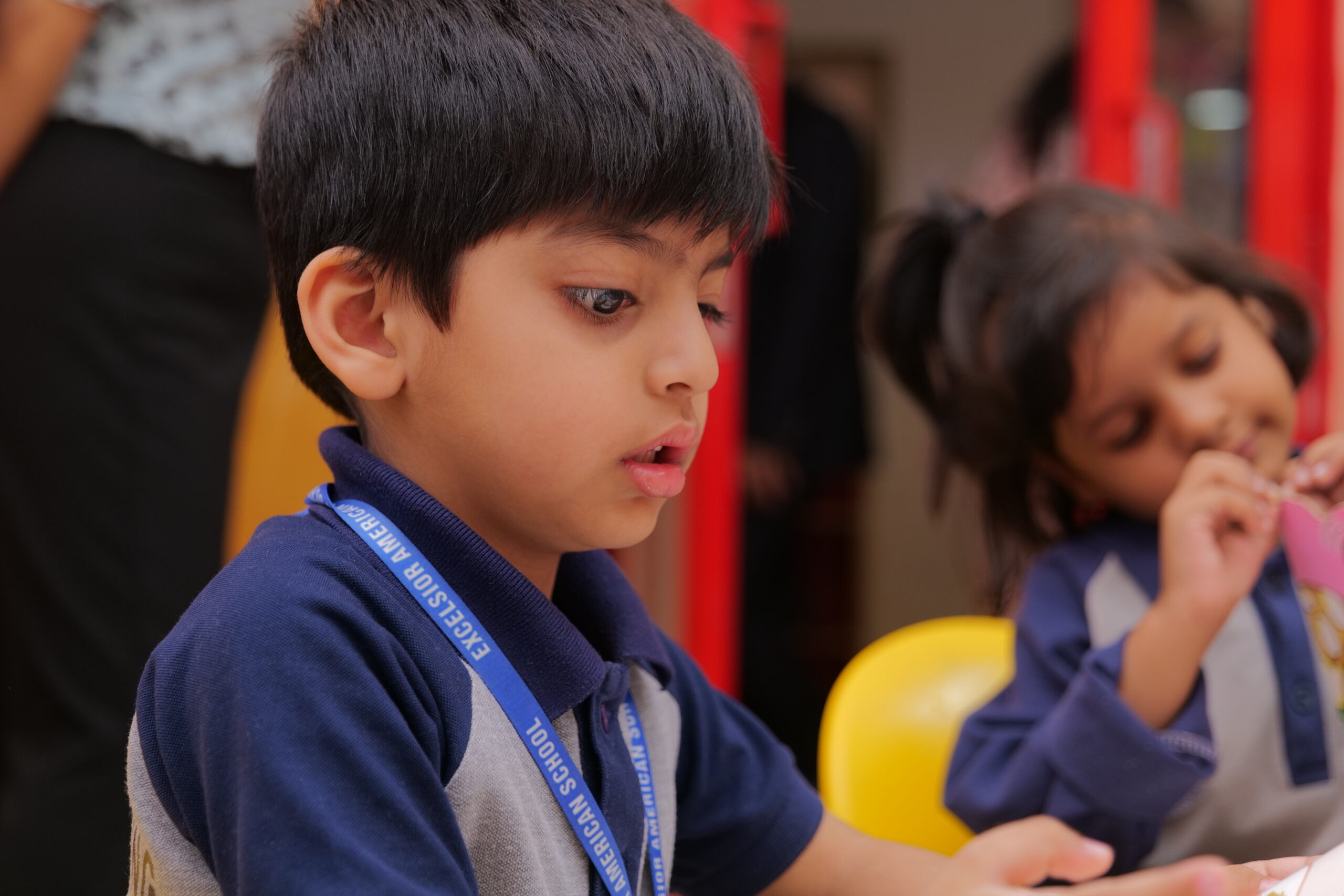
Our learning environment is designed to inspire curiosity, creativity, and collaboration. Beyond academics, students explore music, dance, drama, and visual arts through structured programs and annual performances. Daily clubs, think-tank sessions, and social-emotional learning activities nurture innovation and confidence. Events like school exhibitions, sports day, and cultural celebrations create a vibrant and engaging atmosphere that empowers students to grow academically and personally.
A Student-Centric Approach to Learning
At the heart of a transformative environment lies a student-centric philosophy. Instead of a one-size-fits-all model, learning is tailored to meet the unique needs, interests, and abilities of each student.
Teachers act as facilitators rather than mere instructors, guiding learners through personalized pathways. This approach encourages students to take ownership of their education, fostering independence and self-motivation—qualities that are essential for lifelong success.
Encouraging Curiosity and Inquiry
A transformative learning environment sparks curiosity. It encourages students to ask questions, challenge assumptions, and seek deeper understanding.
Inquiry-based learning plays a crucial role here. Rather than memorizing facts, students engage in discussions, research, and hands-on activities. This not only enhances comprehension but also develops critical thinking skills. When students are curious, learning becomes a joyful and meaningful experience rather than a routine task.
Integration of Real-World Learning
Education becomes truly impactful when it connects with the real world. Transformative environments integrate practical experiences into everyday learning.
Through projects, case studies, and experiential activities, students learn how to apply theoretical knowledge to real-life situations. At Excelsior American, the Best School in Gurgaon, whether it’s solving community problems, participating in internships, or working on collaborative assignments, these experiences prepare students to navigate the complexities of the modern world with confidence.
A Culture of Collaboration and Respect
A positive and inclusive culture is a defining feature of transformative learning spaces. Students thrive in environments where they feel safe, respected, and valued.
Collaboration is actively encouraged through group work and peer learning. Students learn to appreciate diverse perspectives, communicate effectively, and work as part of a team. These interpersonal skills are critical not only in academic settings but also in future professional environments.
Role of Skilled and Inspiring Educators
Teachers are the backbone of any learning environment. In a transformative setting, educators go beyond delivering lessons—they inspire, mentor, and empower students.
They continuously update their teaching methods, incorporate innovative strategies, and create engaging classroom experiences. By building strong relationships with students, they foster trust and open communication, making learning more effective and enjoyable.
Technology as an Enabler
In the digital age, technology plays a vital role in enhancing the learning experience. Transformative environments use technology not just as a tool, but as a medium to expand possibilities.
Interactive classrooms, digital resources, and online collaboration platforms make learning more dynamic and accessible. Technology also helps students develop essential digital literacy skills, preparing them for a tech-driven future.
Focus on Emotional Well-Being
A truly transformative learning environment prioritizes the emotional well-being of students. Academic pressure, social challenges, and personal growth can be overwhelming, especially during formative years.
Support systems such as counseling, mentorship programs, and mindfulness practices help students manage stress and build emotional resilience. When students feel supported and understood, they are more likely to excel academically and personally.
Encouraging Leadership and Responsibility
Transformative environments empower students to take initiative and develop leadership skills. Opportunities such as student councils, community service, and project leadership roles help students build confidence and accountability.
By taking on responsibilities, students learn decision-making, problem-solving, and teamwork—skills that are crucial for success in higher education and beyond.
Building Future-Ready Individuals
The ultimate goal of a transformative learning environment is to prepare students for the future. This means equipping them with not only knowledge but also the skills and mindset needed to adapt to change.
Critical thinking, creativity, collaboration, and communication—often referred to as 21st-century skills—are deeply embedded in the learning process. Students are encouraged to innovate, take risks, and embrace challenges, making them future-ready individuals.
Conclusion:
Choosing the right school is one of the most important decisions for any parent. At Excelsior American, the Best School in Gurgaon where a truly transformative learning environment is one that nurtures curiosity, builds character, and prepares students for life.
Such an environment empowers students to discover their potential, pursue their passions, and become confident, responsible global citizens. In the end, it’s not just about education—it’s about transformation that lasts a lifetime.
FAQs:
Q1. What defines a transformative learning environment?
It focuses on student growth through creativity, collaboration, and real-world learning.
Q2. How does such an environment impact student confidence?
It encourages self-expression and independent thinking, boosting confidence naturally.
Q3. Why is student-centered learning important?
It allows personalized learning, helping each child grow at their own pace.
Q4. How do extracurricular activities enhance learning?
They develop creativity, teamwork, and leadership beyond academics.
Q5. What role do teachers play in transformation?
Teachers act as mentors, guiding students through engaging and meaningful learning experiences.
Q6. How does technology support modern learning environments?
It makes learning interactive, accessible, and aligned with future-ready skills.