
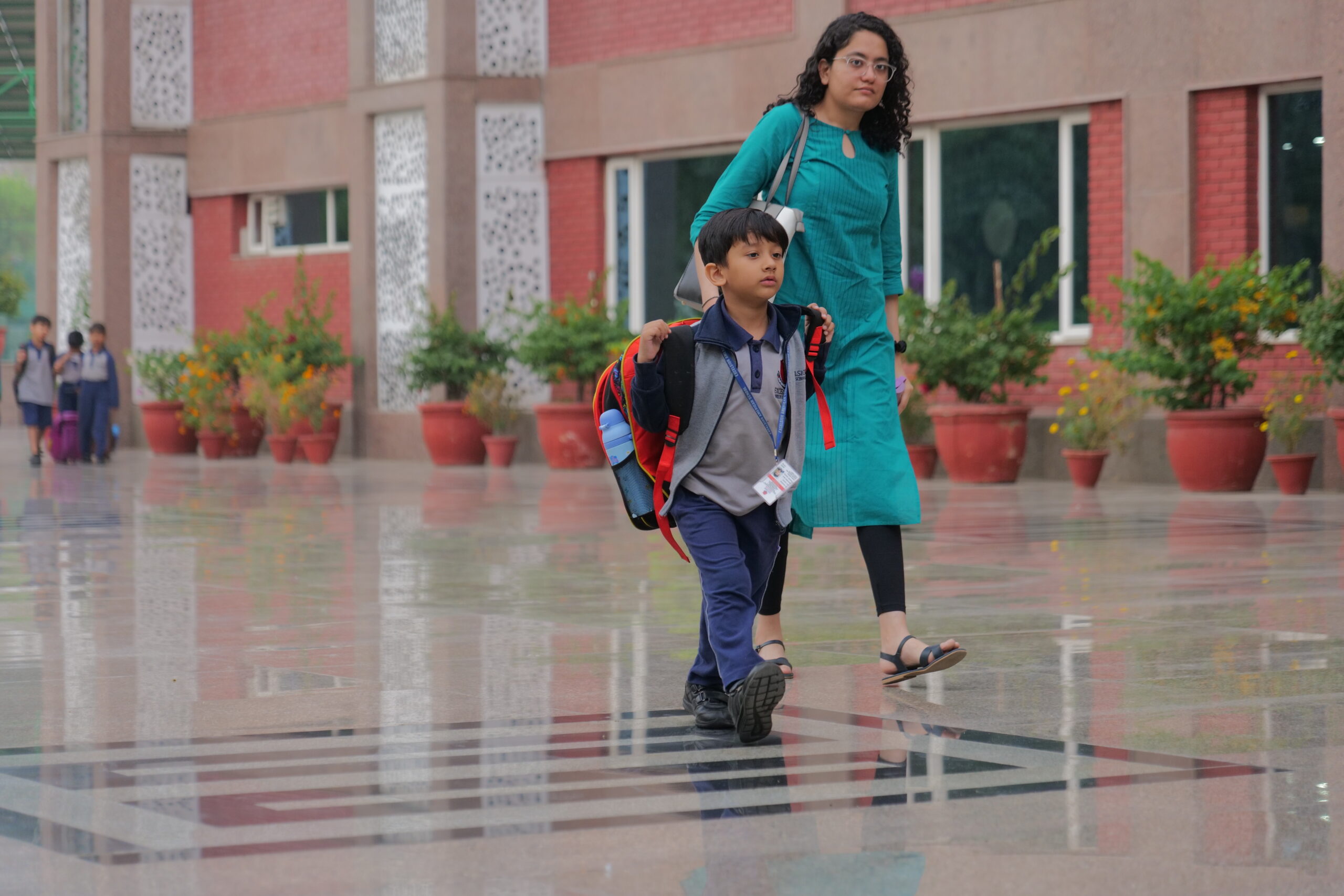
Introduction:
In an era where academic achievement often takes center stage, the importance of values-based education has never been greater. At Excelsior American School, the Good School in Gurgaon where while strong grades and subject knowledge are essential, they alone cannot prepare students for the complexities of real life. True education goes beyond textbooks—it shapes character, builds integrity, and nurtures responsible individuals.
About Us:
We believe in nurturing not just academic excellence but strong values and character. Through community service, social-emotional learning sessions, and collaborative activities, students develop empathy, integrity, and responsibility. Extracurricular programs like sports, arts, and leadership clubs promote teamwork and discipline.
What is Values-Based Education?
Values-based education is an approach that integrates core human values into everyday learning. These values include respect, honesty, kindness, responsibility, and integrity. Rather than being taught as a separate subject, they are embedded into classroom interactions, activities, and school culture.
Students learn values through real-life examples, storytelling, collaborative activities, and teacher guidance. Over time, these principles become a natural part of their behavior and decision-making process.
Building Strong Character and Integrity
One of the most significant benefits of values-based education is the development of strong character. Children learn the importance of honesty, fairness, and accountability from an early age.
When students are guided to make ethical choices, they develop a sense of responsibility for their actions. This foundation helps them navigate challenges with integrity, whether in academics, relationships, or future careers.
Enhancing Social and Emotional Skills
Academic knowledge alone is not enough for success in today’s world. Social and emotional skills play a vital role in personal and professional growth.
Values-based education helps students develop emotional intelligence by teaching them how to manage their emotions, handle conflicts, and communicate effectively. These skills enable them to build confidence, resilience, and a positive self-image.
Encouraging Responsible Decision-Making
Every day, students are faced with choices that shape their future. Values-based education equips them with the ability to make thoughtful and responsible decisions.
By understanding the consequences of their actions and considering the impact on others, students learn to act with maturity and awareness. This decision-making ability is crucial for success in both academic and real-world situations.
Creating a Positive Learning Environment
A school that emphasizes values naturally fosters a positive and supportive atmosphere. At Excelsior American School, the Good School in Gurgaon where when students feel respected and valued, they are more motivated to learn and participate actively.
Values-based education promotes discipline, cooperation, and mutual respect among students and teachers. This creates a safe and inclusive environment where everyone can thrive.
Strengthening Leadership Qualities
Leadership is not just about authority—it is about responsibility, empathy, and the ability to inspire others. Values-based education plays a key role in developing these qualities.
Students are encouraged to take initiative, participate in group activities, and contribute to their communities. These experiences help them build confidence and develop leadership skills that will benefit them throughout their lives.
Connecting Learning to Real-Life Experiences
Values-based education bridges the gap between theoretical knowledge and real-life application. Students learn how to apply their values in everyday situations, from helping peers to participating in community service.
Activities such as volunteering, environmental projects, and social initiatives give students practical exposure to the importance of ethical behavior and social responsibility.
The Role of Teachers and School Culture
Teachers play a crucial role in shaping students’ values. They act as role models, demonstrating ethical behavior and guiding students through real-life situations.
A strong school culture reinforces these values through consistent practices, policies, and interactions. When values are integrated into every aspect of school life, they become deeply ingrained in students’ personalities.
Balancing Academic Excellence with Moral Development
A common misconception is that focusing on values may compromise academic performance. In reality, values-based education enhances learning by creating a disciplined and motivated mindset.
Students who understand the importance of hard work, perseverance, and responsibility are more likely to excel academically. This balanced approach ensures holistic development, where intellectual growth goes hand in hand with moral development.
Long-Term Impact on Student Development
The impact of values-based education extends far beyond school years. Students who grow up with strong values are more likely to become responsible adults, ethical professionals, and active contributors to society.
They develop the confidence to face challenges, the empathy to understand others, and the integrity to make the right choices. These qualities are essential for building a successful and meaningful life.
Conclusion:
Choosing the right educational environment is about more than academics—it is about shaping a child’s future. At Excelsior American, the Good School in Gurgaon where by integrating moral principles with academic learning, schools can create an environment where students grow into well-rounded individuals. Values-based education not only prepares students for exams but also equips them with the character and mindset needed to succeed in life.
FAQs:
Q1. What is values-based education?
It focuses on teaching ethics, empathy, respect, and responsibility alongside academics.
Q2. Why are values important in student development?
They shape character and help students make responsible life decisions.
Q3. How does it impact social behavior?
It encourages respect, teamwork, and positive relationships with others.
Q4. Can values-based education improve academic performance?
Yes, disciplined and responsible students tend to perform better academically.
Q5. How are values taught in schools?
Through activities, real-life examples, and a positive school culture.
Q6. What long-term benefits do students gain?
They grow into confident, ethical, and socially responsible individuals.