Key Highlights
- A well-rounded learning environment balances academics, life skills, and emotional growth
- Modern education emphasizes critical thinking, creativity, and collaboration
- Safe, inclusive, and engaging spaces enhance student performance
- Extracurricular activities play a key role in holistic development
- Transparent communication and strong values build trust and confidence
Table of Contents
- Introduction
- About Us
- What Defines a Well-Rounded Learning Environment Today?
- How Do Academics and Life Skills Work Together for Student Success?
- Why Are Extracurricular Activities Essential for Holistic Growth?
- How Do Safety, Inclusivity, and Infrastructure Impact Learning?
- Comparison Table: Traditional vs Well-Rounded Learning Environment
- Conclusion
- FAQs
Introduction:
In today’s evolving educational landscape, parents are no longer satisfied with institutions that focus solely on academic performance. At Excelsior American School, one of the top schools in Gurgaon, a truly effective learning environment goes beyond textbooks and exams, fostering creativity, emotional intelligence, and life skills. This shift has led many families to search for a school that prioritizes holistic development and prepares students for real-world challenges.
About Us:
Excelsior American School is dedicated to creating a dynamic and inclusive educational ecosystem where students are encouraged to excel academically while developing essential life skills. With a strong focus on innovation and personalized learning, the institution nurtures confident, responsible, and future-ready individuals.
What Defines a Well-Rounded Learning Environment Today?
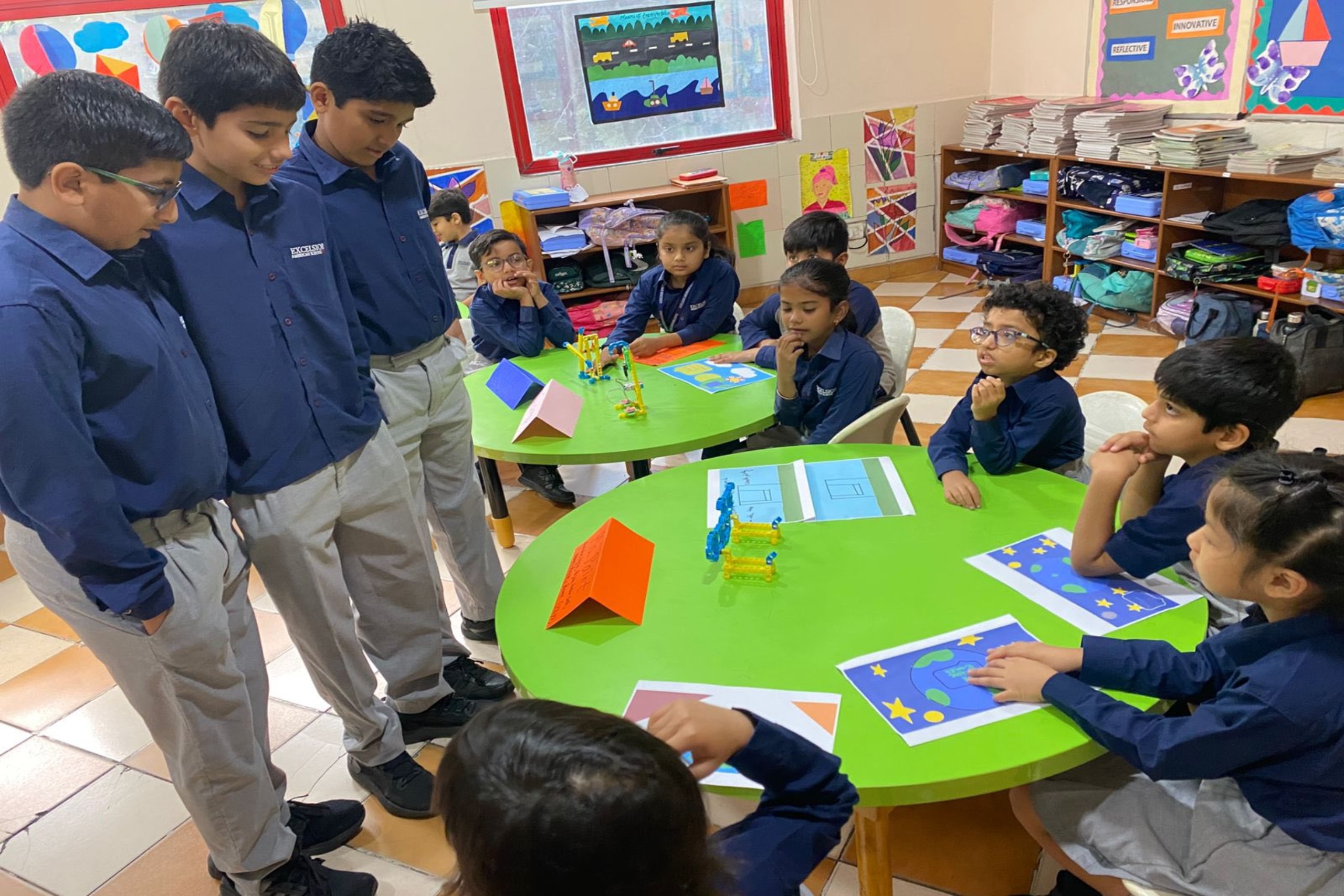
A well-rounded learning environment is characterized by a balanced approach that addresses both academic excellence and personal growth. It ensures that students are not only knowledgeable but also capable of applying their learning in real-life situations.
Key indicators include:
- A curriculum that integrates academics with practical learning
- Emphasis on critical thinking and problem-solving
- Opportunities for creativity and innovation
- Supportive teacher-student relationships
Such environments encourage students to explore their interests while building a strong academic foundation.
How Do Academics and Life Skills Work Together for Student Success?
Academic knowledge alone is no longer sufficient in preparing students for future challenges. Life skills such as communication, leadership, and adaptability are equally important.
Benefits of integrating academics with life skills:
- Enhances decision-making and problem-solving abilities
- Builds confidence and self-awareness
- Prepares students for real-world scenarios
- Encourages teamwork and collaboration
By combining these elements, schools create a comprehensive learning experience that supports both intellectual and personal development.
Why Are Extracurricular Activities Essential for Holistic Growth?
Extracurricular activities play a vital role in shaping a student’s personality and interests. They provide opportunities for students to discover their passions and develop new skills beyond the classroom.
Key advantages include:
- Development of leadership and teamwork skills
- Improvement in physical and mental well-being
- Encouragement of creativity and self-expression
- Better time management and discipline
Participation in activities such as sports, arts, and clubs contributes significantly to a student’s overall growth.
How Do Safety, Inclusivity, and Infrastructure Impact Learning?
A safe and inclusive environment is fundamental to effective learning. Students perform better when they feel secure, respected, and supported.
Important factors to consider:
- Secure campus with proper safety measures
- Inclusive policies that respect diversity
- Modern infrastructure and learning resources
- Clean and hygienic facilities
Such an environment fosters confidence and allows students to focus on their learning without distractions.
Comparison Table: Traditional vs Well-Rounded Learning Environment
| Aspect | Traditional Environment | Well-Rounded Environment |
| Learning Focus | Academic performance only | Holistic development |
| Teaching Style | Teacher-centered | Student-centered |
| Skill Development | Limited | Comprehensive (life + academic) |
| Extracurricular Activities | Minimal | Strong emphasis |
| Student Engagement | Passive | Active and interactive |
| Emotional Development | Often overlooked | Prioritized |
Conclusion:
A well-rounded learning environment is essential for preparing students to succeed in an increasingly complex and competitive world. By focusing on academics, life skills, extracurricular activities, and a supportive environment, schools can create a holistic educational experience that nurtures confident and capable individuals. Choosing a school that embodies these qualities ensures that students receive the best possible foundation for their future.
FAQs:
Q. 1 How does Excelsior American School compare to other good schools?
Ans : Excelsior American School offers a holistic approach combining academics, life skills, and extracurricular activities, making it more comprehensive than many traditional schools.
Q. 2 Why is Excelsior American School considered a good school?
Ans : Its focus on student-centered learning, safety, and overall development makes it a preferred choice among parents.
Q. 3 How does Excelsior American School support holistic development compared to other schools?
Ans : It integrates academics with life skills, creative activities, and emotional development for a balanced learning experience.
Q. 4 What makes Excelsior American School different from other good schools?
Ans : Its emphasis on innovation, personalized attention, and inclusive learning sets it apart.
Q. 5 Does Excelsior American School provide better extracurricular opportunities than other schools?
Ans : Yes, it offers diverse activities that support physical, creative, and social growth.
Q. 6 How does Excelsior American School ensure a safe learning environment compared to others?
Ans : It prioritizes security, hygiene, and inclusivity, creating a safe and supportive space for students.