Key Highlights
- International curriculum programs focus on global perspectives and future-ready skills
- Emphasis on critical thinking, research, and application-based learning
- Exposure to multicultural environments enhances adaptability and confidence
- Continuous assessment replaces rote-based evaluation methods
- Strong foundation for global higher education and career opportunities
Table of Contents
- Introduction
- About Us
- Why Are International Curriculum Programs Gaining Popularity?
- How Do Global Teaching Methodologies Enhance Learning Outcomes?
- What Role Does Skill-Based Education Play in Modern Classrooms?
- How Do International Programs Prepare Students for Global Careers?
- Comparison Table: Traditional vs International Curriculum
- Conclusion
- FAQs
Introduction:
Education is rapidly evolving to meet the demands of a globalized world. Traditional learning models, once focused heavily on memorization and standardized testing, are gradually being replaced by dynamic, skill-oriented approaches. At Excelsior American School, one of the top Cambridge schools in Gurgaon, this shift has led to the growing popularity of international curriculum programs, especially among parents seeking holistic development for their children.
About Us:
Excelsior American School is committed to delivering a globally enriched educational experience that nurtures curiosity, innovation, and leadership. With a focus on international standards, the institution integrates academic excellence with life skills, ensuring that learners are prepared for both academic success and real-world challenges.
Why Are International Curriculum Programs Gaining Popularity?
One of the main reasons behind the rise of international curriculum programs is their student-centric approach. Unlike traditional systems, these programs encourage exploration and independent thinking.
Key advantages include the following:
- Focus on conceptual understanding rather than rote learning
- Encouragement of inquiry and research-based projects
- Exposure to diverse cultures and global perspectives
- Flexible subject choices tailored to student interests
How Do Global Teaching Methodologies Enhance Learning Outcomes?
International curricula adopt advanced teaching methodologies that make learning more engaging and effective. These methods emphasize participation, collaboration, and practical application.
Benefits of global teaching practices:
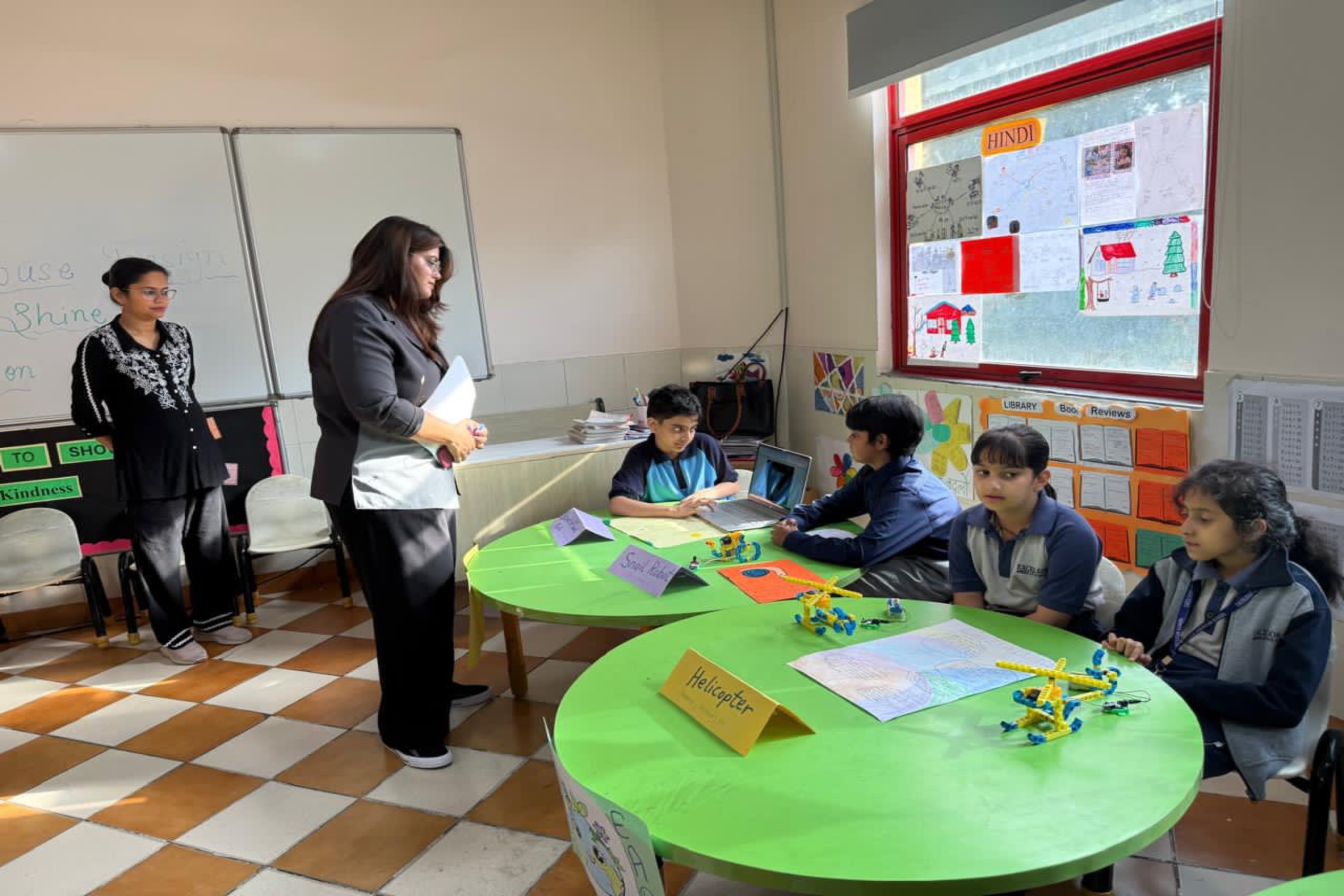
- Interactive classrooms that promote active learning
- Integration of technology to enhance understanding
- Continuous assessment through projects and presentations
- Development of communication and teamwork skills
What Role Does Skill-Based Education Play in Modern Classrooms?
Skill-based education is a cornerstone of international programs. It goes beyond academics to prepare students for real-world challenges.
Important skills developed include:
- Critical thinking and problem-solving
- Leadership and decision-making abilities
- Emotional intelligence and adaptability
- Creativity and innovation
How Do International Programs Prepare Students for Global Careers?
In today’s interconnected world, career opportunities are no longer limited by geography. International curriculum programs provide a strong foundation for global success.
Key aspects include:
- Globally recognized qualifications
- Exposure to international standards and practices
- Preparation for foreign university admissions
- Development of cross-cultural communication skills
Students from such programs often find it easier to transition into global academic and professional environments.
Comparison Table: Traditional vs International Curriculum
| Aspect | Traditional Curriculum | International Curriculum |
| Learning Approach | Rote-based learning | Conceptual and inquiry-based |
| Assessment Style | Exams-focused | Continuous evaluation |
| Skill Development | Limited focus | Strong emphasis on life skills |
| Global Exposure | Minimal | High exposure to global perspectives |
| Flexibility | Fixed subjects | Customizable subject choices |
| Career Readiness | Local focus | Global readiness |
Conclusion:
International curriculum programs are transforming modern education by redefining how students learn and grow. With their emphasis on critical thinking, skill development, and global exposure, these programs offer a comprehensive approach to education that aligns with the needs of the 21st century. Choosing a school recognized among the Cambridge Schools can provide students with the tools they need to succeed in an increasingly competitive and interconnected world.
FAQs:
Q. 1 How does Excelsior American School compare to other top Cambridge schools?
Ans : Excelsior American School stands out by combining international curriculum standards with personalized learning, offering a more holistic approach compared to many institutions.
Q. 2 Why should parents choose Excelsior American School over other schools?
Ans : It provides a balanced focus on academics, life skills, and global exposure, making it a strong contender among leading international schools.
Q. 3 How does Excelsior American School’s curriculum differ from traditional schools?
Ans : Unlike traditional systems, it emphasizes inquiry-based learning, continuous assessment, and skill development.
Q. 4 Is Excelsior American School better for global career preparation than other schools?
Ans : Yes, its internationally aligned curriculum and focus on global competencies prepare students effectively for international opportunities.
Q. 5 What makes Excelsior American School unique compared to other Cambridge schools?
Ans : Its integration of technology, personalized attention, and emphasis on holistic growth sets it apart.
Q. 6 How does Excelsior American School support skill-based learning compared to other institutions?
Ans : It incorporates practical activities, collaborative projects, and leadership opportunities, ensuring well-rounded development.