
Key Highlights
- Early education plays a vital role in shaping curiosity and independent thinking
- Inquiry-based learning encourages children to ask questions and explore ideas
- A nurturing environment builds confidence and decision-making skills
- Play-based and experiential learning enhance creativity and problem-solving
- Strong foundational skills support long-term academic and personal growth
Table of Contents
- Introduction
- About Us
- How Does Early Education Spark Curiosity in Young Minds?
- Why Is Independent Thinking Important in Primary Years?
- How Do Teaching Methods Influence Creativity and Exploration?
- What Role Does the Environment Play in Encouraging Learning Independence?
- Comparison Table: Traditional vs Progressive Early Education
- Conclusion
- FAQs
Introduction:
Early education is a crucial phase in a child’s development, laying the groundwork for how they think, learn, and interact with the world. During the primary years, children are naturally curious, constantly asking questions and exploring their surroundings. At Excelsior American School, the primary schools in Gurgaon where the right educational approach nurtures this curiosity rather than suppressing it, helping children develop a lifelong love for learning. Many institutions recognized among the primary schools are adopting progressive teaching strategies to encourage exploration and independent thinking from an early age.
About Us:
Excelsior American School is dedicated to fostering a stimulating and supportive environment where young learners can explore, question, and grow. With a focus on holistic development, the institution integrates innovative teaching practices and personalized attention to nurture curiosity and independent thinking in every child.
How Does Early Education Spark Curiosity in Young Minds?
Curiosity is the driving force behind learning, and early education plays a significant role in nurturing it.
Key ways curiosity is encouraged:
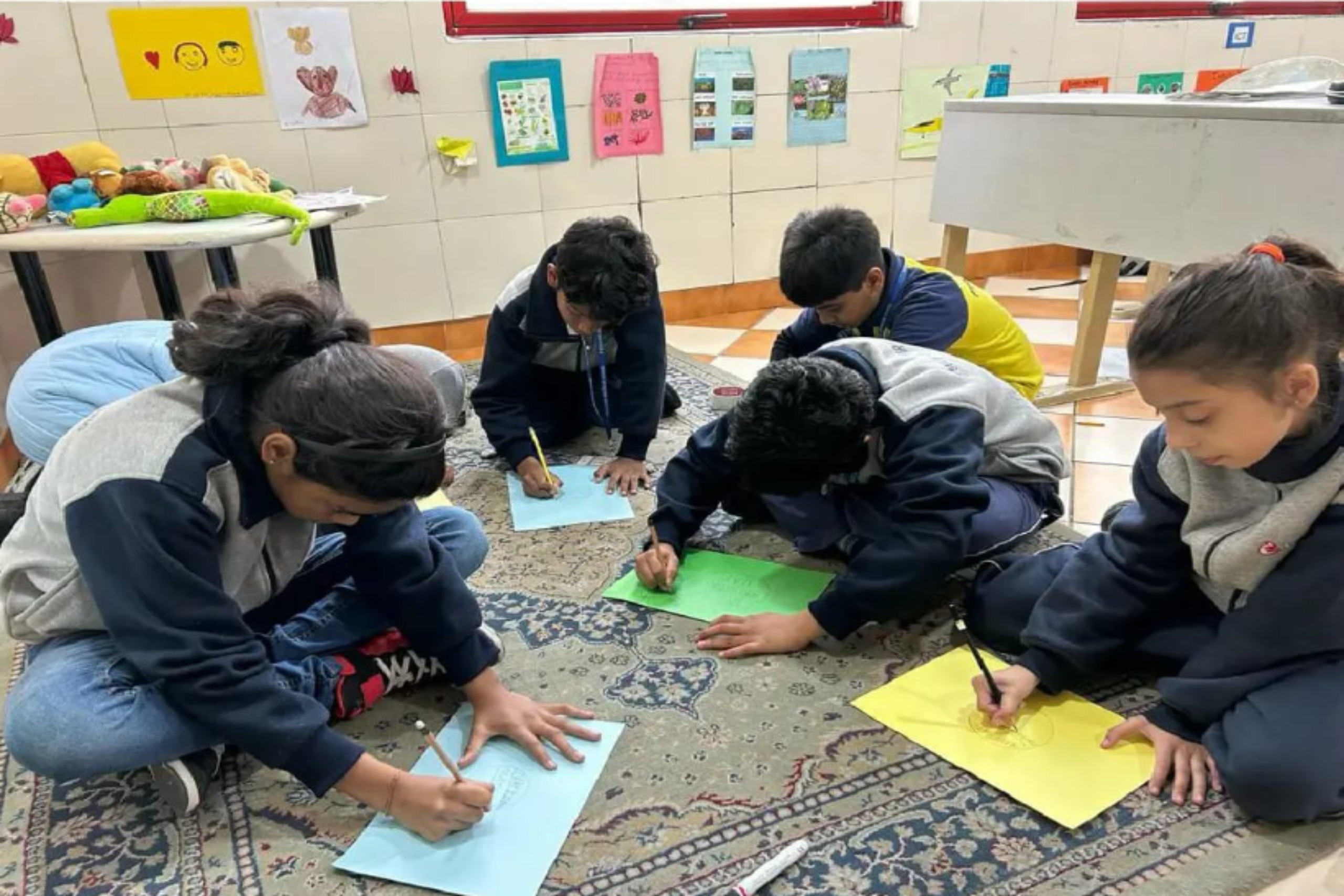
- Inquiry-based learning that promotes questioning and exploration
- Hands-on activities such as experiments and creative projects
- Storytelling and interactive sessions that stimulate imagination
- Opportunities to explore nature and real-world environments
Why Is Independent Thinking Important in Primary Years?
Independent thinking allows children to form their own opinions, solve problems, and make decisions confidently. Developing this skill early prepares them for future academic and personal challenges.
Benefits of independent thinking:
- Builds confidence and self-reliance
- Encourages problem-solving and decision-making skills
- Enhances creativity and innovation
- Promotes accountability and responsibility
How Do Teaching Methods Influence Creativity and Exploration?
Teaching methodologies play a crucial role in shaping how children learn and think. Progressive education systems focus on interactive and student-centered approaches.
Effective teaching methods include:
- Play-based learning that combines fun with education
- Collaborative group activities that encourage teamwork
- Project-based learning for real-world application
- Integration of technology to enhance engagement
These methods not only improve academic performance but also foster creativity and innovation, making learning more meaningful.
What Role Does the Environment Play in Encouraging Learning Independence?
A supportive and stimulating environment is essential for encouraging curiosity and independence. Children thrive in spaces where they feel safe, valued, and free to express themselves.
Important environmental factors:
- Safe and inclusive classrooms
- Access to diverse learning resources
- Encouragement from teachers and peers
- Opportunities for self-directed learning
Such environments empower children to take initiative and explore their interests confidently.
Comparison Table: Traditional vs Progressive Early Education
| Aspect | Traditional Approach | Progressive Approach |
| Learning Style | Teacher-centered | Student-centered |
| Focus | Memorization | Conceptual understanding |
| Classroom Interaction | Limited participation | Active engagement |
| Skill Development | Academic-focused | Holistic development |
| Creativity | Restricted | Encouraged |
| Decision-Making | Guided by teacher | Independent thinking |
Conclusion:
Early education plays a transformative role in shaping a child’s curiosity and ability to think independently. By fostering an environment that encourages exploration, questioning, and creativity, schools can help children develop essential life skills that extend beyond academics. Choosing among the leading primary schools ensures that children receive a well-rounded education that prepares them for future challenges.
FAQs:
Q. 1 How does Excelsior American School compare to other primary schools?
Ams : Excelsior American School focuses on inquiry-based learning and holistic development, offering a more engaging approach compared to many traditional primary schools.
Q. 2 Why is Excelsior American School a preferred choice among primary schools?
Ans : It emphasizes curiosity, creativity, and independent thinking, ensuring well-rounded growth for young learners.
Q. 3 How does Excelsior American School encourage independent thinking compared to other schools?
Ans : Through student-centered teaching methods, interactive activities, and opportunities for self-expression.
Q. 4 What makes Excelsior American School different from other primary schools?
Ans : Its integration of modern teaching practices and personalized attention sets it apart from conventional education systems.
Q. 5 How does Excelsior American School support curiosity-driven learning better than others?
Ans : It uses hands-on activities, inquiry-based learning, and creative exploration to keep students engaged.
Q. 6 Is Excelsior American School better for early childhood development compared to other schools?
Ans : Yes, its balanced focus on academics, life skills, and emotional development ensures comprehensive growth.