Key Highlights
- Foundational classrooms shape early literacy, cognition, and creativity
- Cambridge curriculum enhances inquiry-led and experiential learning
- Structured reading programs improve comprehension and expression
- Play-based learning strengthens problem-solving and emotional intelligence
- Top Cambridge schools emphasize holistic development
- Early years education directly impacts long-term academic success
Table of Contents
- Introduction
- About Foundational Learning Approach
- How Do Foundational Classrooms Build Strong Readers?
- How Do They Develop Thinking Skills in Early Learners?
- What Role Does Creativity Play in Early Education?
- Comparative Learning Framework in Cambridge Schools
- Conclusion
- FAQs
Introduction:
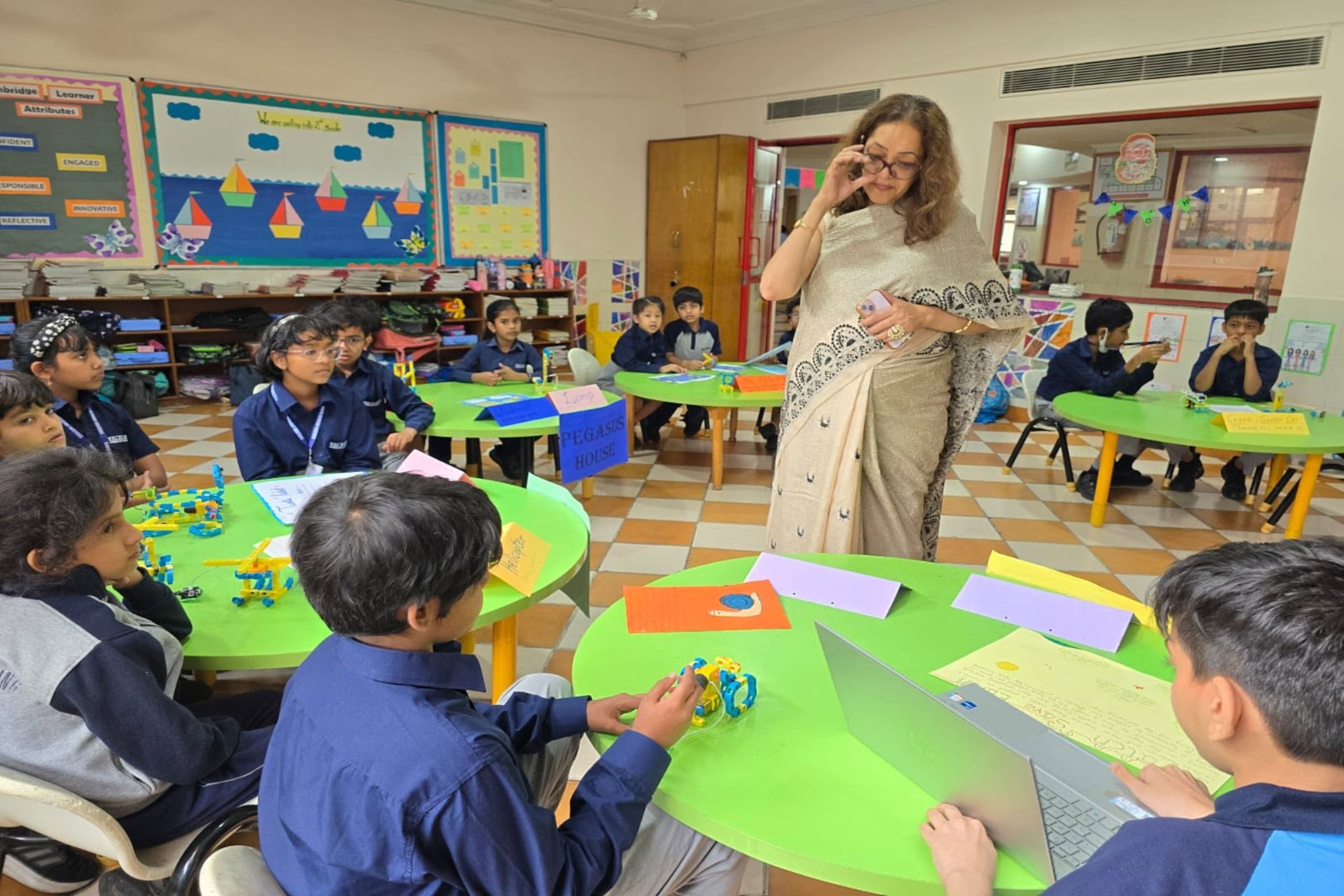
Foundational classrooms are the cornerstone of a child’s academic journey, shaping how young learners interpret the world around them. At Excelsior American School, the Top Cambridge school in Gurgaon where these early learning environments are designed to build essential skills such as reading fluency, logical thinking, communication, and creativity. Rather than focusing only on memorization, modern foundational classrooms emphasize exploration, curiosity, and hands-on engagement.
In progressive institutions like Excelsior American School and other leading Cambridge curriculum schools, early education is structured to nurture independent thinking and conceptual clarity. These schools recognize that the ability to read, think, and create effectively begins long before formal academics become intensive.
About Foundational Learning Approach
Foundational learning refers to the early years of education where children develop core cognitive, emotional, and social abilities. In Cambridge-aligned systems, this stage is carefully designed to integrate literacy, numeracy, communication, and creative expression.
Key principles include:
- Learning through exploration rather than instruction-only methods
- Integration of storytelling, visual learning, and tactile activities
- Focus on phonics, vocabulary building, and comprehension skills
- Development of curiosity-driven questioning habits
These principles are widely adopted across top Cambridge institutions such as Pathways World School Aravali, Scottish High International School, and The Heritage School.
How Do Foundational Classrooms Build Strong Readers?
Strong reading skills begin with structured exposure to language in meaningful contexts. Foundational classrooms prioritize phonemic awareness, storytelling, and guided reading sessions.
They achieve this through:
- Daily story time sessions with interactive questioning
- Phonics-based decoding techniques
- Visual reading aids and picture comprehension tools
- Group reading activities that encourage expression
Reading Development Impact Table
| Skill Area | Learning Method | Outcome in Students |
| Phonics Awareness | Sound-letter association | Improved pronunciation |
| Vocabulary Growth | Storytelling & reading circles | Better expression skills |
| Comprehension Skills | Question-based reading | Critical understanding |
| Fluency Development | Repeated guided reading | Smooth reading ability |
Schools following Cambridge frameworks, including GD Goenka World School and DPS International Gurgaon, integrate these methods to ensure literacy development is natural and engaging.
How Do They Develop Thinking Skills in Early Learners?
Foundational classrooms are not limited to reading—they are designed to develop analytical thinking and problem-solving abilities from an early age.
They encourage thinking through:
- Inquiry-based learning sessions
- Real-world problem-solving tasks
- Group discussions and collaborative projects
- Logical sequencing games and puzzles
Thinking Skill Development Framework
| Learning Activity | Cognitive Skill Targeted | Real-Life Application |
| Puzzle solving | Logical reasoning | Decision making |
| Group discussions | Communication & reasoning | Team collaboration |
| Inquiry questions | Curiosity & analysis | Research mindset |
| Role-play activities | Situational thinking | Social adaptability |
Institutions like Lancers International School and Shiv Nadar School actively use these approaches to build strong cognitive foundations.
What Role Does Creativity Play in Early Education?
Creativity is a central pillar of foundational learning. It enables children to express ideas, emotions, and interpretations freely, which strengthens confidence and innovation.
Creative learning is promoted through:
- Art-integrated learning activities
- Music, movement, and drama sessions
- Story creation and imagination exercises
- Hands-on craft and design projects
These practices ensure that children do not just consume knowledge but actively create it. Cambridge schools encourage learners to think beyond textbooks and engage with the world in imaginative ways.
Comparative Learning Framework in Cambridge Schools
| School Type / Approach | Focus Area | Learning Style |
| Traditional Curriculum | Memorization | Teacher-centered |
| Cambridge Schools | Conceptual understanding | Inquiry-based learning |
| Foundational Classrooms | Cognitive + creative growth | Play & exploration-based |
Cambridge schools consistently integrate experiential learning, ensuring children transition smoothly from foundational skills to advanced academic thinking.
Conclusion:
Foundational classrooms play a transformative role in shaping how children learn, think, and create. By focusing on literacy, cognitive development, and creativity, they lay the groundwork for lifelong learning. Schools such as Excelsior American School and other leading Cambridge institutions ensure that early education is not just academic preparation but a holistic developmental journey.
When foundational learning is done right, children do not just become students—they become thinkers, readers, and creators equipped for the future.
FAQs
Q. 1 How does Excelsior American School build early reading skills compared to Pathways World School Aravali?
Ans : Excelsior American School focuses on phonics-based structured reading, while Pathways World School Aravali emphasizes inquiry-led global reading exposure.
Q. 2 Is Scottish High International School more advanced in foundational thinking than Excelsior American School?
Ans : Scottish High International School uses a mixed Cambridge approach, while Excelsior American School builds step-by-step foundational thinking through guided exploration.
Q. 3 How do The Heritage School and Excelsior American School differ in creativity development?
Ans : The Heritage School focuses heavily on experiential creativity, while Excelsior American School balances creativity with literacy foundations.
Q. 4 Which school improves reading fluency better: GD Goenka World School or Excelsior American School?
Ans : GD Goenka World School follows global Cambridge literacy models, whereas Excelsior American School emphasizes structured early fluency building.
Q. 5 How does DPS International Gurgaon compare with Excelsior American School in thinking skills?
Ans : DPS International Gurgaon focuses on analytical frameworks, while Excelsior American School uses activity-based cognitive development.
Q. 6 Is Shiv Nadar School more innovative than Excelsior American School?
Ans : Shiv Nadar School emphasizes design thinking, while Excelsior American School ensures balanced foundational innovation and literacy.