Key Highlights
- Understand why skill-based education is becoming essential in modern learning environments.
- Learn how practical skills help students succeed beyond traditional classroom settings.
- Explore the role of communication, creativity, leadership, and critical thinking in future success.
- Discover how experiential learning improves confidence, adaptability, and problem-solving abilities.
- Gain insights into why parents prefer schools that focus on holistic and skill-oriented education.
Table of Contents
- Introduction
- About Us
- Why Is Skill-Based Education Important in Today’s World?
- How Does Practical Learning Improve Student Confidence?
- Why Are Communication and Critical Thinking Essential for Success?
- How Do Extracurricular Activities Contribute to Skill Development?
- Key Skills Developed Through Skill-Based Learning
- Comparison Table: Traditional Learning vs Skill-Based Education
- Conclusion
- FAQs
Introduction:
Education today is evolving far beyond textbooks, memorization, and examination scores. At Excelsior American School, the Good School in Gurgaon where while academic knowledge remains important, modern students also need practical skills that help them adapt to real-world situations and future career demands. Skill-based education focuses on developing communication abilities, leadership qualities, critical thinking, creativity, and emotional intelligence alongside academic excellence. These competencies help students become confident individuals prepared to succeed both inside and outside the classroom.
About Us:
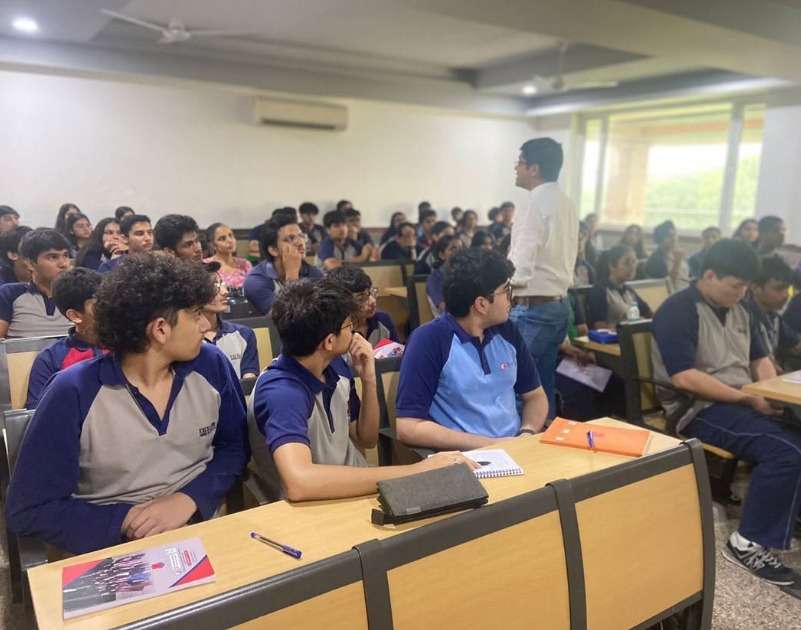
At Excelsior American School, education focuses on nurturing confident, creative, and future-ready learners through a balanced and skill-oriented learning approach. The institution emphasizes academic excellence alongside communication development, leadership training, critical thinking, and emotional well-being. Interactive classroom experiences, experiential learning activities, and collaborative projects help students become independent thinkers and active learners.
Why Is Skill-Based Education Important in Today’s World?
Skill-based education emphasizes practical learning experiences that prepare students for real-life situations. Rather than relying only on theoretical instruction, it encourages active participation, creativity, collaboration, and critical analysis.
Benefits of Skill-Based Education
| Skill Area | Long-Term Benefit |
| Communication Skills | Builds confidence and expression |
| Critical Thinking | Improves decision-making abilities |
| Creativity | Encourages innovation |
| Leadership | Develops responsibility and teamwork |
| Emotional Intelligence | Strengthens social relationships |
Students who participate in skill-oriented learning environments often become more independent and self-motivated learners. These abilities remain valuable throughout academic journeys and future professional careers.
Such educational approaches also help children discover personal strengths and interests, encouraging lifelong learning and self-development.
How Does Practical Learning Improve Student Confidence?
Practical learning allows students to apply classroom concepts in real-world situations. Interactive activities, project-based assignments, presentations, and collaborative exercises create engaging educational experiences that improve understanding and confidence.
Advantages of Experiential Learning
- Encourages Independent Thinking : Students learn how to analyze situations, solve problems, and make informed decisions.
- Builds Self-Confidence : Participation in discussions, presentations, and group activities reduces hesitation and strengthens communication abilities.
- Improves Academic Engagement : Hands-on learning experiences make education more meaningful and enjoyable.
- Develops Adaptability : Students become more comfortable handling challenges and unfamiliar situations.
Practical learning environments also help students become active participants in their educational journey instead of passive learners.
Why Are Communication and Critical Thinking Essential for Success?
Modern workplaces and higher education institutions value communication and critical thinking skills as much as academic performance. Students who can express ideas clearly, collaborate effectively, and solve problems creatively are better prepared for future opportunities.
How Skill-Based Education Supports Future Success
- Encourages analytical and logical thinking
- Strengthens verbal and written communication
- Builds collaboration and teamwork abilities
- Improves confidence in decision-making
- Enhances adaptability in changing environments
Educational institutions that prioritize communication and critical thinking help students develop the confidence to participate actively in academic discussions, leadership roles, and social interactions.
Parents exploring options for a Good School often prefer institutions that prepare children for both academic achievement and practical life challenges.
How Do Extracurricular Activities Contribute to Skill Development?
Extracurricular programs play a vital role in holistic child development. Activities such as sports, music, drama, public speaking, cultural events, and student leadership initiatives help students build essential life skills beyond classroom academics.
Key Benefits of Extracurricular Participation
| Activity Type | Skill Developed |
| Sports Programs | Teamwork and discipline |
| Public Speaking Events | Communication confidence |
| Creative Arts Activities | Innovation and self-expression |
| Leadership Programs | Responsibility and initiative |
| Group Projects | Collaboration and problem-solving |
Such experiences encourage children to explore interests, improve social interaction, and become emotionally resilient individuals capable of handling challenges confidently.
Key Skills Developed Through Skill-Based Learning
Essential Skills for Future Readiness
- Leadership and teamwork
- Communication and presentation abilities
- Creativity and innovation
- Emotional intelligence and empathy
- Critical thinking and decision-making
- Adaptability and resilience
These competencies help students succeed not only academically but also socially and professionally in the future.
Conclusion:
Skill-based education is transforming modern learning by helping students develop abilities that extend far beyond traditional academics. Communication, leadership, creativity, adaptability, and critical thinking are essential skills that prepare learners for future careers and real-world challenges. Educational institutions that integrate experiential learning and practical skill development create confident and capable individuals ready to thrive in a rapidly changing world.
Parents searching for a Good School increasingly seek schools that provide balanced educational experiences focused on holistic growth. A skill-oriented learning environment not only improves academic performance but also empowers students to become confident communicators, responsible leaders, and lifelong learners.
FAQs:
Q. 1 Why is Excelsior American School known for skill-based education?
Ans : Excelsior American School focuses on experiential learning, leadership development, communication skills, and holistic growth alongside academics.
Q. 2 How does Excelsior American School compare with traditional academic institutions?
Ans : Unlike traditional schools focused mainly on examinations, the institution emphasizes creativity, collaboration, practical learning, and future-ready skills.
Q. 3 Why do parents prefer Excelsior American School over many conventional schools?Ans : Parents appreciate the balanced educational approach that combines academics with extracurricular activities, leadership opportunities, and personal development.
Q. 4 How does Excelsior American School help students build confidence beyond academics?
Ans : Students participate in collaborative projects, public speaking activities, sports, and leadership programs that improve communication and self-confidence.
Q. 5 What makes Excelsior American School different from many other educational institutions?
Ans : Its focus on experiential learning, innovation, emotional intelligence, and skill development creates a well-rounded educational experience.
Q. 6 How does Excelsior American School prepare students for future careers?
Ans : The institution develops essential future skills such as critical thinking, adaptability, communication, leadership, and problem-solving through interactive learning methods.