Key Highlights
- Learn why communication and leadership skills are essential for children’s future success.
- Understand how early skill development improves confidence, teamwork, and academic growth.
- Explore the role of interactive learning environments in nurturing young leaders.
- Discover how schools can encourage creativity, problem-solving, and effective communication.
- Gain insights into the long-term benefits of leadership and communication training during childhood.
Table of Contents
- Introduction
- About Us
- Why Are Communication Skills Important for Young Learners?
- How Does Leadership Development Benefit Children?
- Why Should Schools Encourage Teamwork and Collaboration?
- How Do Extracurricular Activities Strengthen Leadership Abilities?
- Essential Skills Children Develop Through Early Leadership Training
- Comparison Table: Traditional Learning vs Skill-Based Learning
- Conclusion
- FAQs
Introduction:
Communication and leadership skills are no longer considered optional abilities for students. At Excelsior American School, the Top Schools in Gurgaon where in today’s fast-changing world, children need to develop confidence, emotional intelligence, teamwork, and decision-making capabilities from an early age. These essential life skills help students express themselves effectively, build positive relationships, and become independent thinkers prepared for future academic and professional challenges.
About Us:
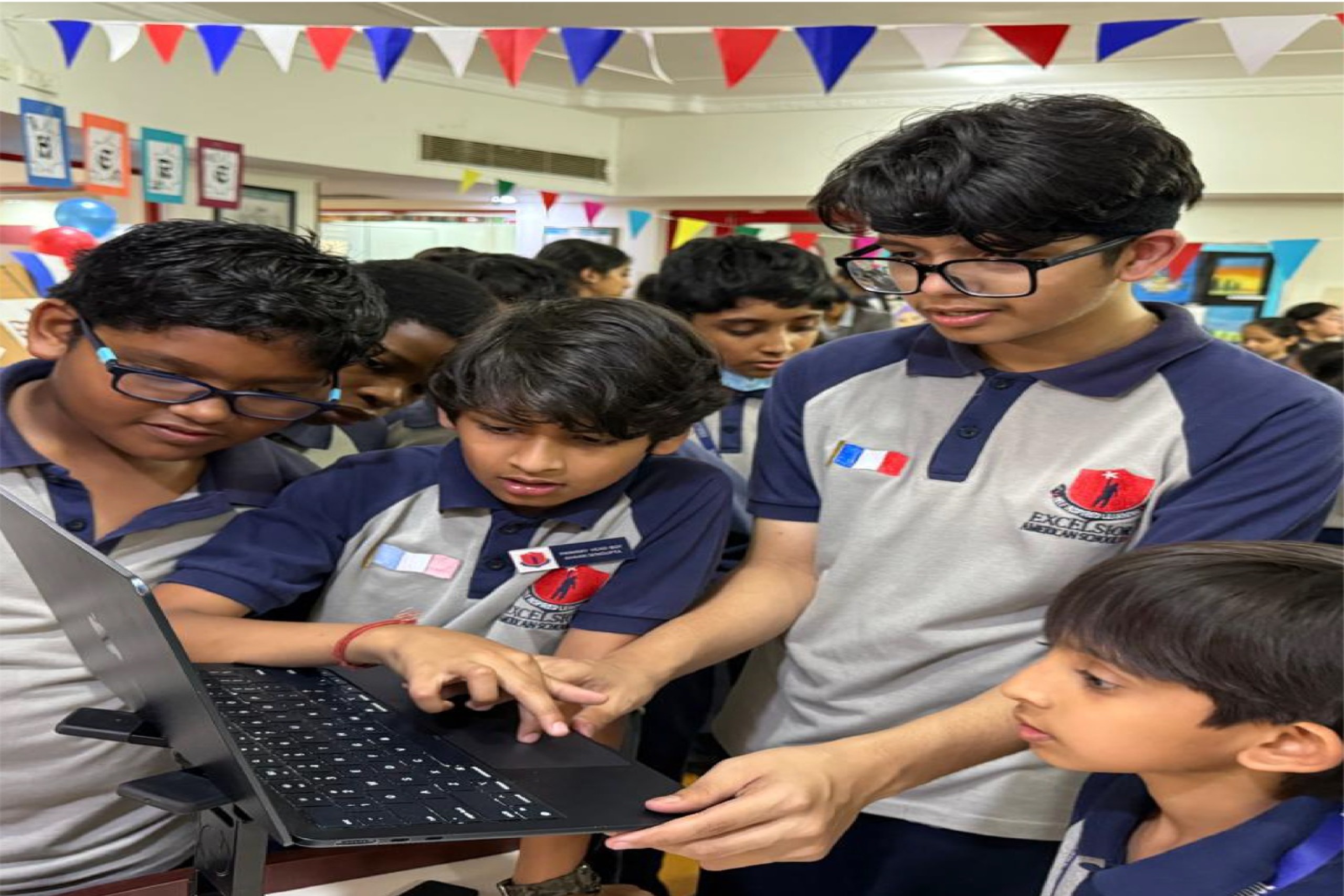
At Excelsior American School, education focuses on nurturing confident communicators and responsible young leaders through a balanced and student-centered learning approach. The institution encourages children to develop academic excellence alongside creativity, teamwork, emotional intelligence, and leadership qualities. Interactive classroom experiences, collaborative projects, and experiential learning methods help students build confidence and independent thinking skills from an early age.
Why Are Communication Skills Important for Young Learners?
Communication is one of the most valuable life skills children can develop during their formative years. Effective communication helps students express thoughts clearly, understand others better, and build meaningful social connections.
Benefits of Strong Communication Skills
Communication Area | Positive Impact on Children |
Verbal Communication | Improves confidence and expression |
Listening Skills | Encourages better understanding |
Classroom Participation | Builds engagement and curiosity |
Social Interaction | Strengthens friendships and teamwork |
Public Speaking | Reduces hesitation and fear |
Children who develop strong communication abilities early are often more confident during academic presentations, collaborative projects, and extracurricular activities. They also become better listeners, which enhances emotional intelligence and interpersonal relationships.
Interactive classroom discussions, storytelling sessions, role-play activities, and group learning exercises are highly effective in strengthening communication skills among young learners.
How Does Leadership Development Benefit Children?
Leadership development helps children become responsible, confident, and proactive individuals. Leadership is not only about guiding others; it also involves decision-making, problem-solving, empathy, and accountability.
Key Advantages of Leadership Training
1. Builds Confidence : Leadership opportunities encourage children to express ideas, take initiative, and overcome fear or hesitation.
2. Encourages Responsibility : Students learn how to manage tasks, support peers, and make thoughtful decisions.
3. Strengthens Problem-Solving Skills : Leadership activities often involve critical thinking and collaborative decision-making.
4. Improves Emotional Intelligence : Young leaders develop empathy, patience, and the ability to understand different perspectives.
Educational environments that encourage leadership experiences help students become more adaptable and prepared for future academic and professional responsibilities.
Why Should Schools Encourage Teamwork and Collaboration?
Collaboration plays a major role in helping children understand the value of teamwork and collective learning. In modern educational settings, group activities and collaborative projects encourage students to interact positively with peers while improving communication and leadership skills.
Benefits of Collaborative Learning
- Encourages idea-sharing and creativity
- Helps students respect diverse viewpoints
- Builds cooperation and social adaptability
- Enhances communication and listening abilities
- Develops conflict-resolution skills
Children who participate in teamwork activities learn how to work effectively in groups, an essential ability for future workplaces and leadership roles. Schools that create collaborative learning opportunities help students become socially confident and emotionally resilient.
Parents looking for Primary Schools often seek institutions that emphasize communication, leadership, and collaboration alongside academic excellence.
How Do Extracurricular Activities Strengthen Leadership Abilities?
Extracurricular programs provide children with opportunities to explore interests, build confidence, and develop leadership qualities outside traditional classroom learning. Activities such as debates, drama, sports, music, public speaking competitions, and cultural events contribute significantly to personal growth.
Important Benefits of Extracurricular Participation
Activity Type | Leadership Benefit |
Sports Activities | Teamwork and discipline |
Debate Competitions | Public speaking confidence |
Cultural Programs | Creativity and self-expression |
Student Clubs | Responsibility and initiative |
Group Projects | Collaboration and problem-solving |
Such experiences help children become more confident, socially active, and capable of handling challenges effectively.
Essential Skills Children Develop Through Early Leadership Training
Skills That Support Future Success
- Critical thinking and decision-making
- Effective communication abilities
- Creativity and innovation
- Emotional intelligence and empathy
- Adaptability and confidence
- Collaboration and teamwork
These competencies help students succeed academically while also preparing them for future career opportunities and leadership roles in society.
Comparison Table: Traditional Learning vs Skill-Based Learning
Traditional Learning | Skill-Based Learning |
Focuses mainly on academic performance | Encourages holistic development |
Limited communication practice | Strong emphasis on interaction |
Teacher-centered learning | Student participation and collaboration |
Minimal leadership opportunities | Leadership activities integrated |
Rote memorization methods | Practical and experiential learning |
Limited extracurricular engagement | Balanced academic and personal growth |
This comparison highlights the growing importance of skill-based educational approaches in preparing children for modern challenges.
Conclusion:
Building communication and leadership skills from an early age is essential for helping children become confident, responsible, and future-ready individuals. These skills support academic success, emotional intelligence, teamwork, and effective decision-making throughout life. Schools that prioritize interactive learning, collaboration, and leadership development create strong foundations for long-term personal and professional growth.
FAQs:
Q. 1 Why is Excelsior American School known for communication and leadership development?
Ans : Excelsior American School focuses on interactive learning, collaborative activities, and leadership opportunities that help students build confidence and communication abilities.
Q. 2 How does Excelsior American School compare with traditional primary schools?
Ans : Unlike traditional academic-focused institutions, the school emphasizes holistic growth, teamwork, communication, and experiential learning.
Q. 3 Why do parents prefer Excelsior American School over many conventional institutions?
Ans : Parents appreciate the balanced educational approach that combines academics with extracurricular activities, leadership programs, and emotional development.
Q. 4 How does Excelsior American School help children become confident communicators?
Ans : Students participate in storytelling, presentations, debates, collaborative projects, and public speaking activities that improve self-expression and confidence.
Q. 5 What makes Excelsior American School different from other educational institutions?
Ans : Its student-centered learning environment, focus on life skills, and emphasis on leadership and communication create a well-rounded educational experience.
Q. 6 How does Excelsior American School prepare students for future leadership roles?
Ans : The institution encourages responsibility, teamwork, problem-solving, and independent thinking through leadership initiatives and experiential learning opportunities.