
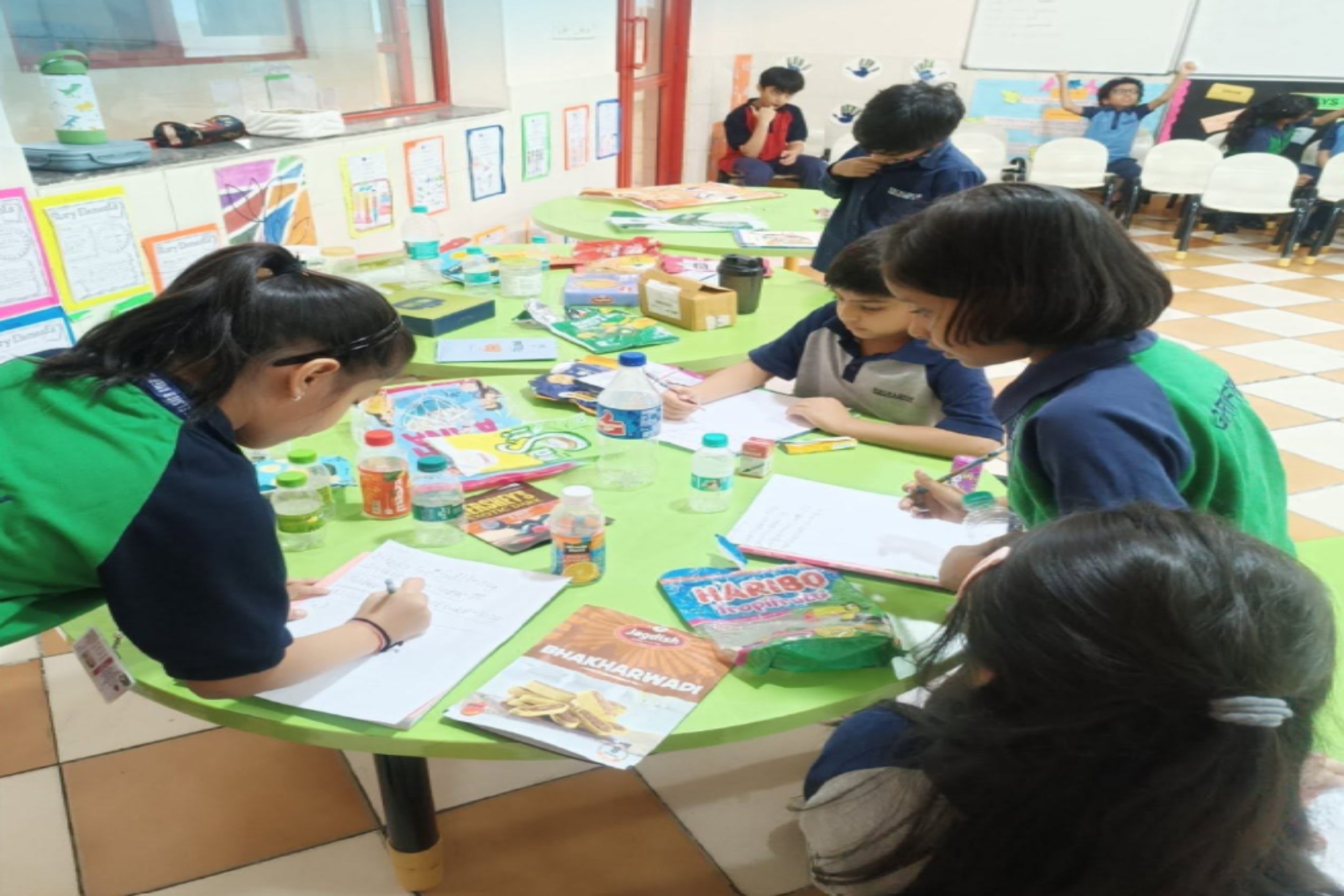
Key Highlights
- Purposeful play helps toddlers understand big feelings.
- Clear routines support patience, confidence and communication.
- Shared activities nurture empathy and cooperation.
- Adult guidance works best when children still have choices.
Table of Contents
- Introduction
- About Us
- What is structured play?
- How does it build emotional regulation?
- Can group play grow empathy?
- How can adults make play meaningful?
- Conclusion
- FAQs
Introduction:
Toddlers feel emotions intensely before they have the vocabulary to explain them. At Excelsior American School, the Best IGCSE School in Gurgaon where a missed turn, a fallen block tower or a new activity can quickly lead to tears, anger or withdrawal. Structured play creates a reassuring space where children experience these moments with a caring adult nearby, learn simple language for feelings and try again without fear of failure.
For families considering the IGCSE schools, early learning should build emotional readiness alongside curiosity and foundational skills. Thoughtfully planned games, stories, movement and role-play help toddlers practise waiting, sharing, asking for help and recovering after disappointment.
About Us
Our early-years environment places secure relationships at the heart of learning. Teachers create age-appropriate activities, notice individual cues and offer gentle prompts rather than demanding one correct outcome. Through sensory play, circle-time games, imaginative corners and outdoor exploration, children are encouraged to feel safe, capable and heard.
What is structured play, and why does it matter?
Structured play has a light framework: a simple rule, shared goal or familiar sequence. It can be a ball-passing circle, a puppet story, a sorting task or a pretend kitchen. Adults set up the experience and guide it calmly, but toddlers still have choices, movement and room for imagination.
The balance matters. Too much control can limit curiosity, while too little support can feel overwhelming. Predictable play helps children know what comes next; choices such as selecting a colour or character create a sense of agency.
| Play Experience | Emotional Skill | Toddler Example |
| Turn-taking game | Patience | Roll a ball to a friend |
| Puppet story | Feeling vocabulary | “How does the bear feel?” |
| Block challenge | Resilience | Rebuild a fallen tower |
| Pretend play | Empathy | Care for a toy doll |
How does structured play build emotional regulation?
Emotional regulation does not mean toddlers should never cry or become upset. It means helping them recognise a feeling, feel safe with it and choose a manageable next step. During play, children encounter small challenges: waiting, sharing or solving a problem. With calm support, these become practice moments.
Adults can name what they observe: “You look disappointed,” “You waited,” or “Let’s try again.” Repeated, simple language links emotions to actions and gives toddlers words they can eventually use themselves.
A simple emotional-development pathway:
Feel → Name → Pause → Choose → Try again
- Keep directions brief and consistent.
- Offer a cosy calming space, not a punishment corner.
- Praise recovery, effort and kindness.
- Give children time to reset before rejoining.
Can group play help toddlers become more empathetic?
Yes. In shared play, toddlers begin noticing that other people have feelings and needs. A friend may be sad, want the same toy or need help carrying materials. Adults can turn these everyday moments into empathy practice.
Role-play makes this engaging. In a doctor’s corner, café or home set-up, toddlers can comfort a teddy, feed a doll or “cook” for a friend. They rehearse caring actions through imagination and learn that cooperation makes play more enjoyable.
| Adult Prompt | Learning Opportunity |
| “Riya is sad. Shall we check on her?” | Notice another’s emotion |
| “What could we say?” | Use caring language |
| “Let’s find another way.” | Resolve conflict |
| “You helped your friend.” | Connect kindness with action |
How can adults make play meaningful without pressure?
Purposeful play does not need costly equipment or a crowded schedule. Sorting laundry, making a cardboard bus, singing a clean-up song or discussing a story character’s feelings can become moments of connection. What matters is a responsive adult who follows the child’s interest and allows repetition.
Home and school can use familiar phrases such as “ask for help”, “take a breath” and “let’s try again”. Still, every play moment should not become a test. Toddlers need freedom to explore, make mistakes and lead the interaction.
Conclusion:
Structured play is real learning for toddlers. It lets them face frustration safely, enjoy success, build friendships and understand that feelings can be managed. With predictable routines, responsive adults and joyful exploration, children develop emotional strength at a pace that respects who they are.
FAQs
Q. 1 How do the best IGCSE schools use structured play for toddlers?
Ans : They use stories, sensory activities, music, role-play and shared games to practise language, self-control and interaction.
Q. 2 How should parents compare IGCSE early-years programmes for emotional development?
Ans : Ask about routines, teacher observation, playtime, transition support and responses to conflict or distress.
Q. 3 Do IGCSE toddler classrooms combine structured and free play?
Ans : Strong early-years programmes provide both: guided social practice and free play for choice and imagination.
Q. 4 How do IGCSE early-years educators support shy toddlers?
Ans : Teachers can use familiar routines, small groups and gentle invitations rather than forcing participation.
Q. 5 Can IGCSE early-years classrooms help toddlers who struggle with transitions?
Ans : Visual schedules, transition songs, reminders and trusted adult support can make changes feel safer.
Q. 6 What should families ask an IGCSE school about toddler well-being?
Ans : Ask how it tracks emotional growth, communicates with parents and supports children who need extra guidance.